Advertisement

AI Bias Analysis

4 models · Takes ~15 seconds

New Scientist

Astronauts are ready to return to the moon on Artemis II mission
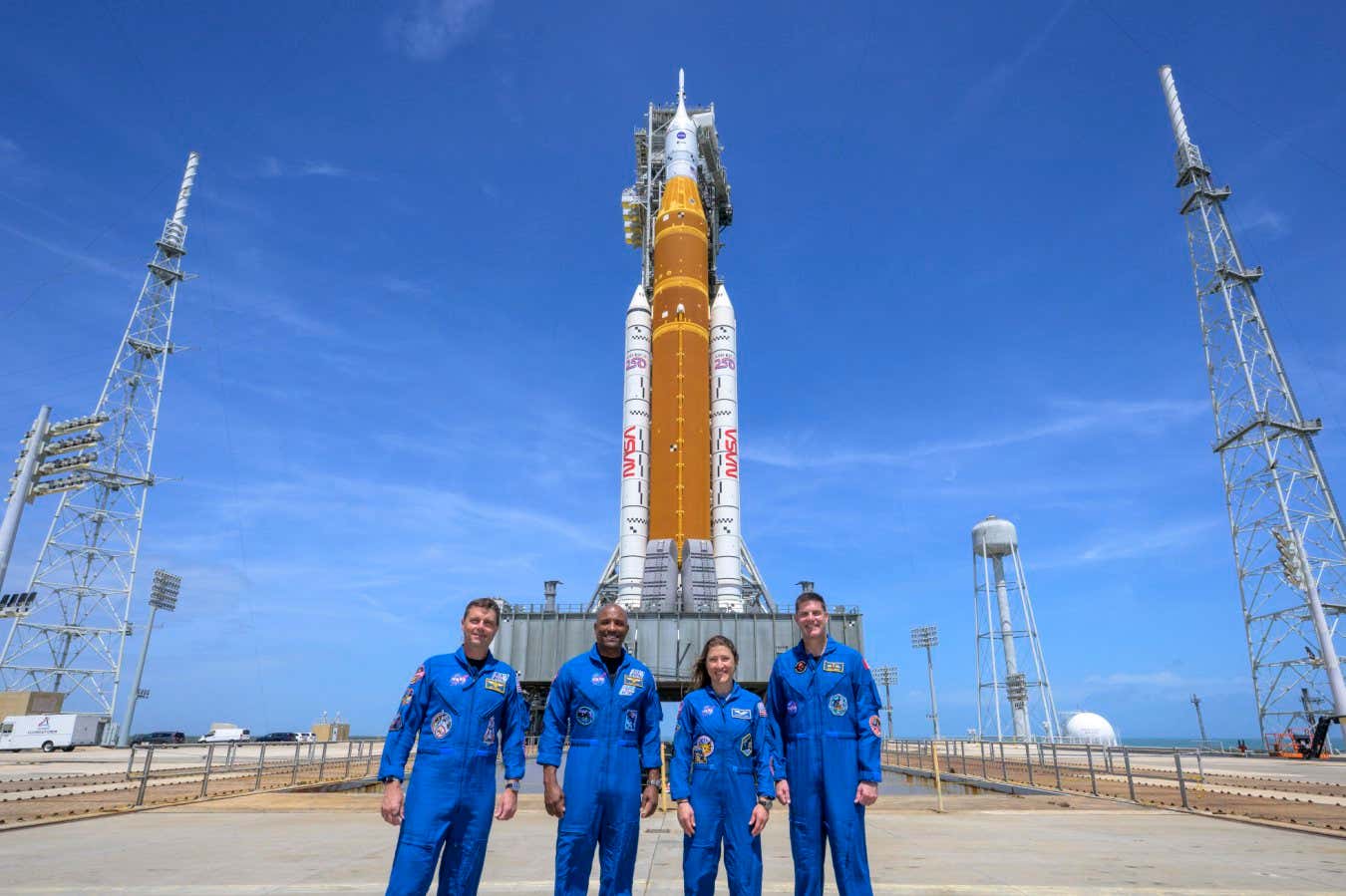
Astronauts are ready to return to the moon on Artemis II mission
ShareXFacebook

NASA’s Artemis II mission will be the first time humans have been around the moon in half a century, and its next launch window opens on 1 April

N

Source

New Scientist

Read full article at New Scientist

Opens original article in a new tab

Advertisement

Related Science Stories

More hedges lead to more insects—even in relatively green agricultural areas
Phys.org

More hedges lead to more insects—even in relatively green agricultural areas

Field margins where hedges have been planted attract twice as many insects as those without hedges. This holds true even in agricultural areas that already contain plenty of natural habitat, according to research published in Basic and Applied Ecology by ecologist Robin Lexmond at Radboud University. Flower strips can also help, but not as much as hedges.

Read more →
NASA narrows Artemis landing sites to 9 key regions
Phys.org

NASA narrows Artemis landing sites to 9 key regions

Less than two days from now, NASA's Artemis II mission is scheduled to lift off for its historic 10-day journey around the moon, marking the first time humans have ventured beyond Low Earth Orbit for the first time since Apollo 17 in 1972, and possibly even set new distance records for traveling beyond Earth. However, Artemis II is only scheduled as a flyby mission and will not be landing humans on the lunar surface, with this endeavor being scheduled for later missions.

Read more →
Circular economies should work for communities, not against them
Phys.org

Circular economies should work for communities, not against them

The circular economy concept is often thought of as a model to eliminate waste and pollution—but when applied thoughtfully, circular approaches can create jobs, strengthen local economies, improve public health and more, according to new research led by Charles Darwin University (CDU).

Read more →
Advertisement