Advertisement

AI Bias Analysis

4 models · Takes ~15 seconds

New Scientist

I have been bitten by more than 200 snakes – on purpose
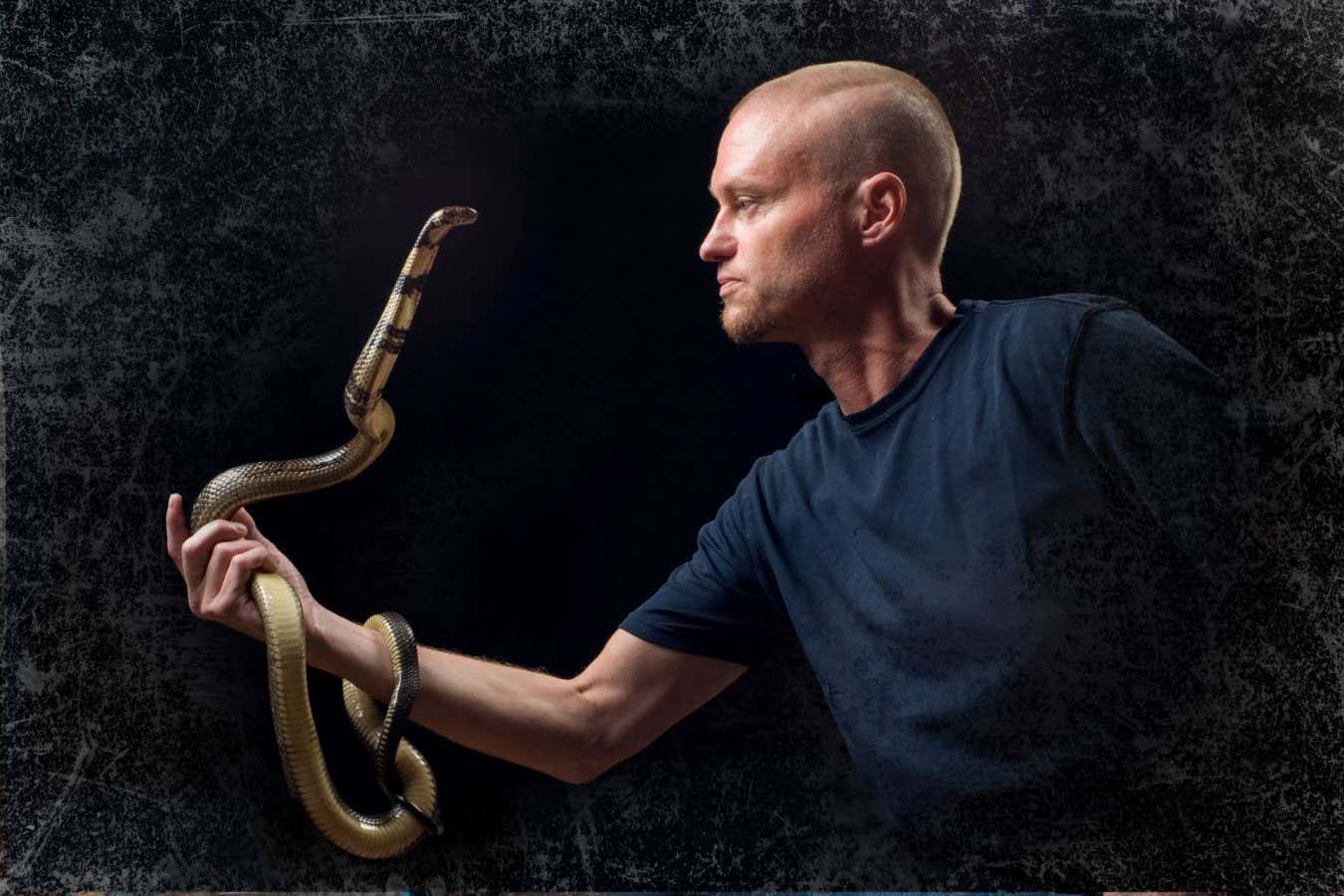
I have been bitten by more than 200 snakes – on purpose
ShareXFacebook

If you are unlucky enough to have been bitten by a snake, you are unlikely to want to repeat the experience. Not so for Tim Friede, who intentionally exposes himself to deadly bites in the hope of developing a treatment for the 5 million people who are bitten each year

N

Source

New Scientist

Read full article at New Scientist

Opens original article in a new tab

Advertisement

Related Science Stories

Deep mantle deformation is linked to subducted slabs, global map shows
Phys.org

Deep mantle deformation is linked to subducted slabs, global map shows

Slow roiling convection currents deep within Earth's mantle, which are associated with the movements of tectonic plates, also deform the material of the mantle itself. Now, a new study in The Seismic Record confirms that much of this deformation in the lowest level of the mantle occurs where researchers think there may be deeply subducted tectonic slabs.

Read more →
Rudeness may be rewarded—as a response to rudeness
Phys.org

Rudeness may be rewarded—as a response to rudeness

If you don't have anything nice to say, perhaps it's OK to say it anyway—if responding to someone who has treated you or your team rudely, new Cornell research suggests. Civil responses to disrespectful behavior remain the best option. But in a variety of contexts—from hockey fights to the workplace—experiments showed that people view an uncivil action or comment more leniently when performed as retaliation rather than instigation. Retaliating in kind to incivility may be appreciated as much as

Read more →
How the octopus uses its 'taste by touch' sensory system to feel out potential mates
Phys.org

How the octopus uses its 'taste by touch' sensory system to feel out potential mates

A new study by Harvard biologists reveals how octopuses feel their way to potential mates with a "taste by touch" sensory system and can even couple at arm's length without actually seeing each other. In a study featured on the cover of Science, the researchers deciphered how one male appendage serves as a multipurpose organ for seeking, sensing, and seeding—and even continues to respond to female sex hormones after being severed from the body.

Read more →
Advertisement