Advertisement

AI Bias Analysis

4 models · Takes ~15 seconds

Ars Technica

Ice Age dice show early Native Americans may have understood probability
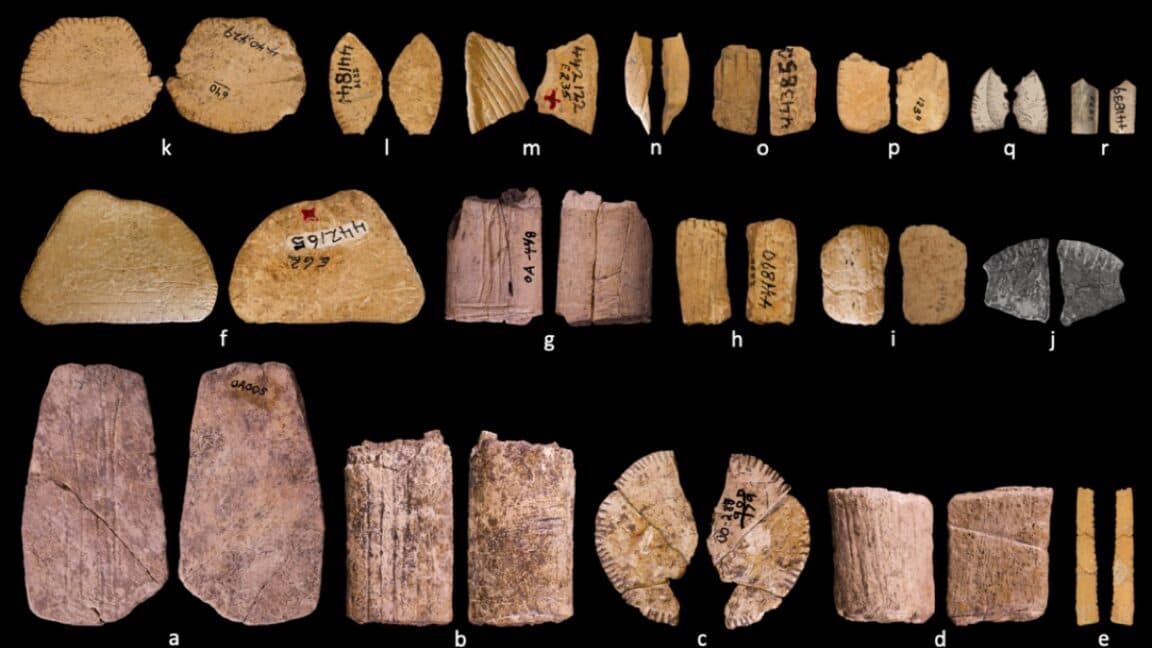
Ice Age dice show early Native Americans may have understood probability
ShareXFacebook

Ice Age hunter-gatherer "were intentionally relying on random outcomes in repeatable, rule-based ways."

A

Source

Ars Technica

Read full article at Ars Technica

Opens original article in a new tab

Advertisement

Related Tech Stories

Anthropic essentially bans OpenClaw from Claude by making subscribers pay extra
The Verge

Anthropic essentially bans OpenClaw from Claude by making subscribers pay extra

Using OpenClaw with Claude AI is about to get a lot more expensive, thanks to Anthropic's new policy changes. Beginning April 4th at 3PM ET, users will "no longer be able to use your Claude subscription limits for third-party harnesses including OpenClaw," according to an email sent to users on Friday evening. Instead, if users want to use OpenClaw with Claude, they'll have to use a "pay-as-you-go option" that will be billed separate from their Claude subscription. With OpenClaw creator Peter S

Read more →
Karpathy shares 'LLM Knowledge Base' architecture that bypasses RAG with an evolving markdown library maintained by AI
VentureBeat

Karpathy shares 'LLM Knowledge Base' architecture that bypasses RAG with an evolving markdown library maintained by AI

AI vibe coders have yet another reason to thank Andrej Karpathy, the coiner of the term. The former Director of AI at Tesla and co-founder of OpenAI, now running his own independent AI project, recently posted on X describing a "LLM Knowledge Bases" approach he's using to manage various topics of research interest. By building a persistent, LLM-maintained record of his projects, Karpathy is solving the core frustration of "stateless" AI development: the dreaded context-limit reset. As anyone w

Read more →
Advertisement