Advertisement

AI Bias Analysis

4 models · Takes ~15 seconds

New Scientist

Male octopuses have a favourite arm that they mostly use for sex
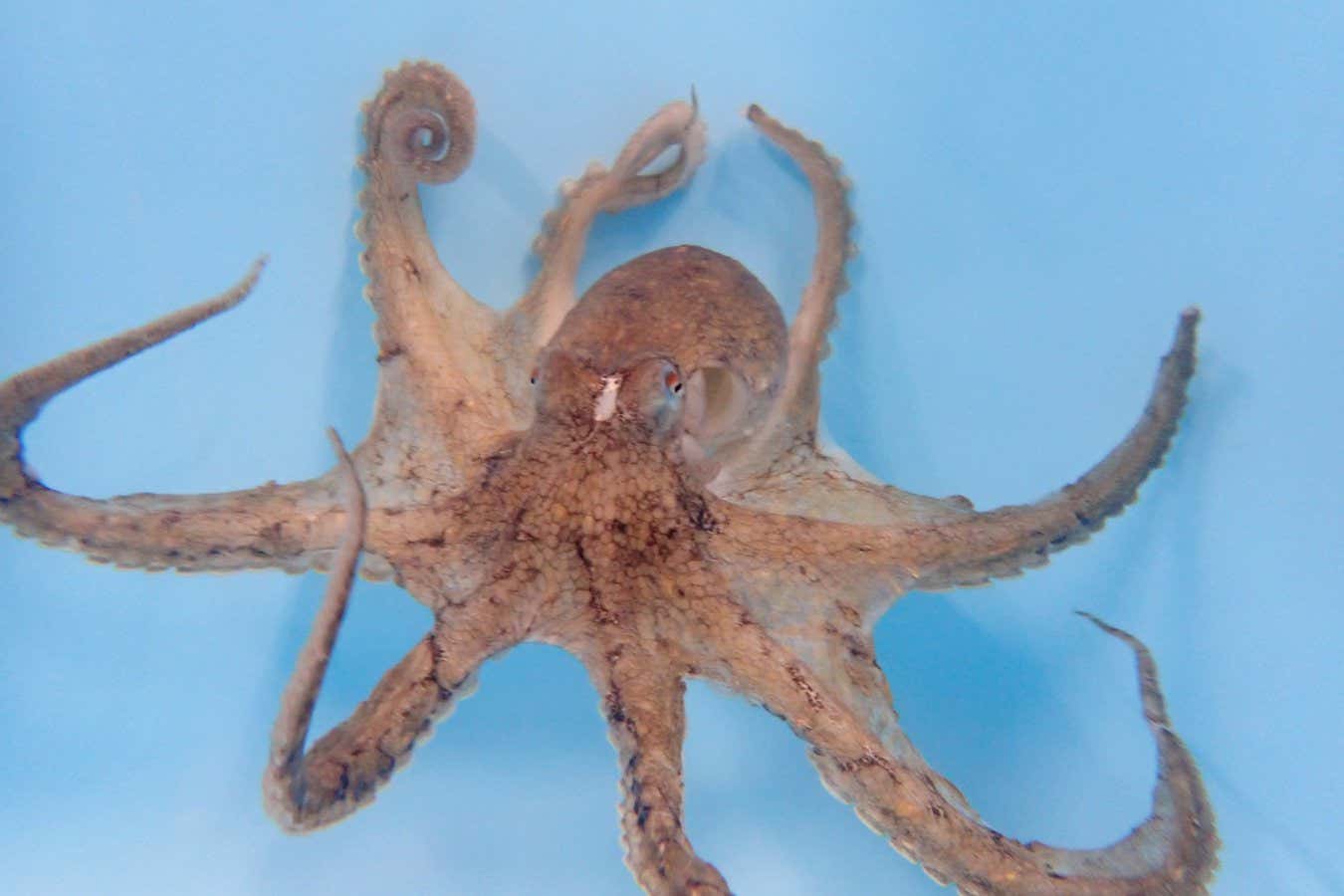
Male octopuses have a favourite arm that they mostly use for sex
ShareXFacebook

The third right arm of male octopuses has a specialised role in mating, and the creatures take extra care to avoid damaging it or losing it to a predator

N

Source

New Scientist

Read full article at New Scientist

Opens original article in a new tab

Advertisement

Related Science Stories

Liftoff! NASA Launches Astronauts on Historic Artemis Moon Mission
NASA

Liftoff! NASA Launches Astronauts on Historic Artemis Moon Mission

Spurred by American ingenuity, astronauts on NASA’s Artemis II mission are in flight, preparing for the first crewed lunar flyby in more than 50 years. NASA’s SLS (Space Launch System) rocket lifted off from Launch Pad 39B at the agency’s Kennedy Space Center in Florida at 6:35 p.m. EDT Wednesday, sending four astronauts aboard the […]

Read more →
Researchers present first fossilized 'emperor' butterfly
Phys.org

Researchers present first fossilized 'emperor' butterfly

Butterfly fossils are rare, and finds that preserve fine anatomical details and wing patterns are an absolute exception. An international research team from Sweden, the U.S., and Germany, led by Dr. Hossein Rajaei, lepidopterist at the State Museum of Natural History Stuttgart, and with the participation of Prof. Dr. Torsten Wappler from the Hessian State Museum Darmstadt, has now described an exceptionally well-preserved butterfly fossil, approximately 34 to 28 million years old.

Read more →
Thirty previously unpublished verses by Empedocles discovered on a papyrus from Cairo
Phys.org

Thirty previously unpublished verses by Empedocles discovered on a papyrus from Cairo

A 2,000-year-old papyrus fragment, discovered in the archives of the French Institute of Oriental Archaeology in Cairo, reveals 30 previously unpublished verses by Empedocles, a pre-Socratic philosopher of the fifth century BCE. This discovery offers researchers direct access to a body of thought previously known only through quotations from later authors. The very first edition, translation, and commentary on these verses are published in the book "L'Empédocle du Caire," edited by Nathan Carlig

Read more →
Advertisement