AI Bias Analysis

4 models · Takes ~15 seconds

New Scientist

Hold the onions – and see if they make you cry
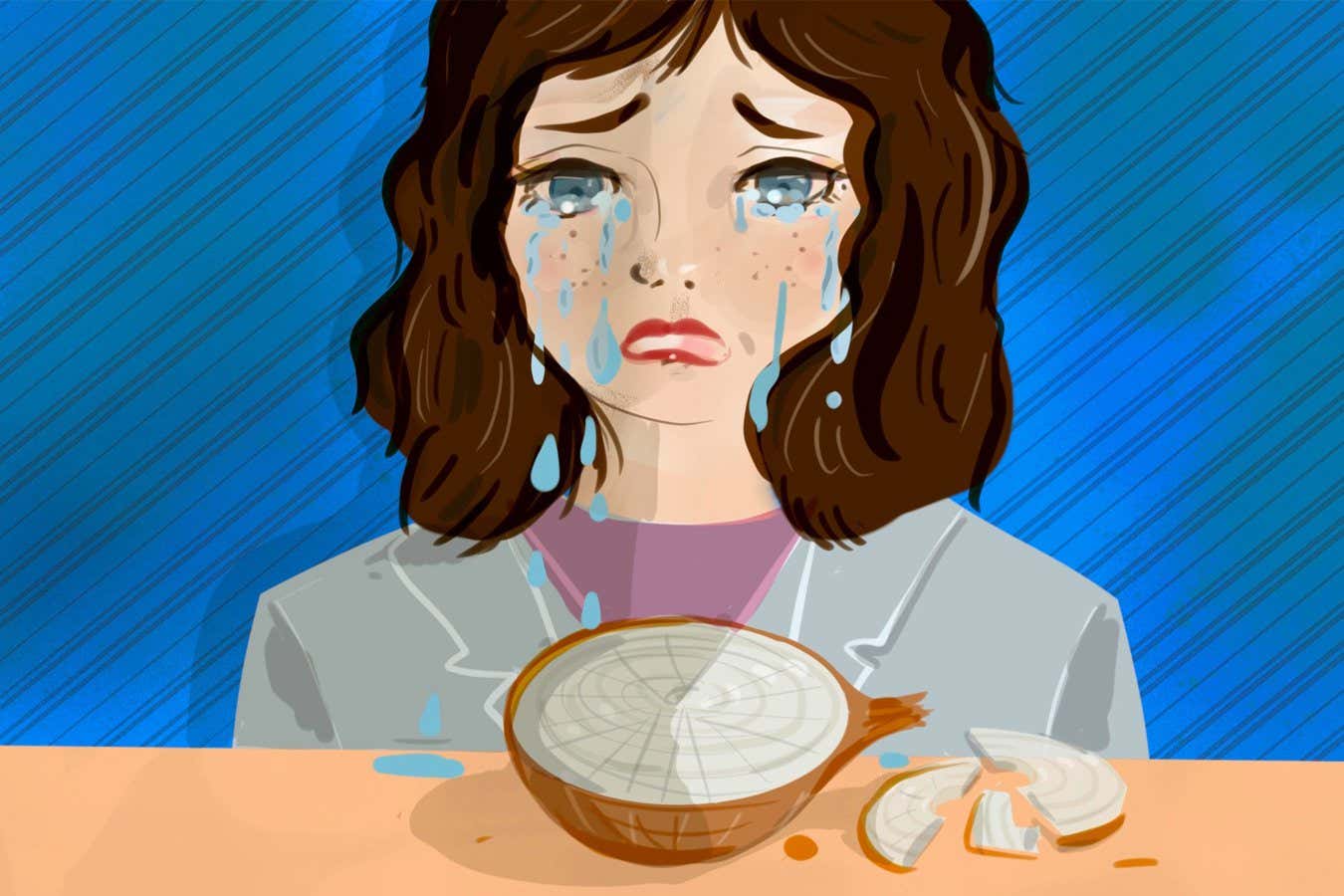
Hold the onions – and see if they make you cry
ShareXFacebook

Feedback isn't sure what to make of a ground-breaking piece of research into the understudied topic of "subjective individual variability in onion tearing and its relationship to chemosensory sensitivity"

N

Source

New Scientist

Read full article at New Scientist

Opens original article in a new tab

Advertisement

Weekly Newsletter

The Daily Composite

Get the week's most revealing media bias comparisons, delivered every Monday morning.

Weekly. No spam. Unsubscribe anytime.

Related Science Stories

ScienceDaily Composite
Science Daily

This common vitamin deficiency can mimic normal aging

Vitamin B12 is needed in microscopic amounts, but a shortage can have major effects on health and energy. The vitamin was first linked to a lifesaving liver treatment for pernicious anemia nearly 100 years ago. Today, researchers are finding that B12 may also help keep cellular powerhouses called mitochondria functioning properly. This could explain why some people experience fatigue and brain fog even before traditional signs of deficiency show up.

Read more →
Trios of quantum particles form checkerboard layouts when particle density hits sweet spot
Phys.org

Trios of quantum particles form checkerboard layouts when particle density hits sweet spot

Trions form when three particles, like quarks or electrons, come together. This formation occurs in quantum particles in nuclear physics, semiconductors and magnets, and understanding its behavior can be challenging. Rice University's Kaden Hazzard and his team recently developed a theory on how these formations occur and behave, which was published in Physical Review Letters.

Read more →
Advertisement