
How to spot the Lyrid meteor shower tonight
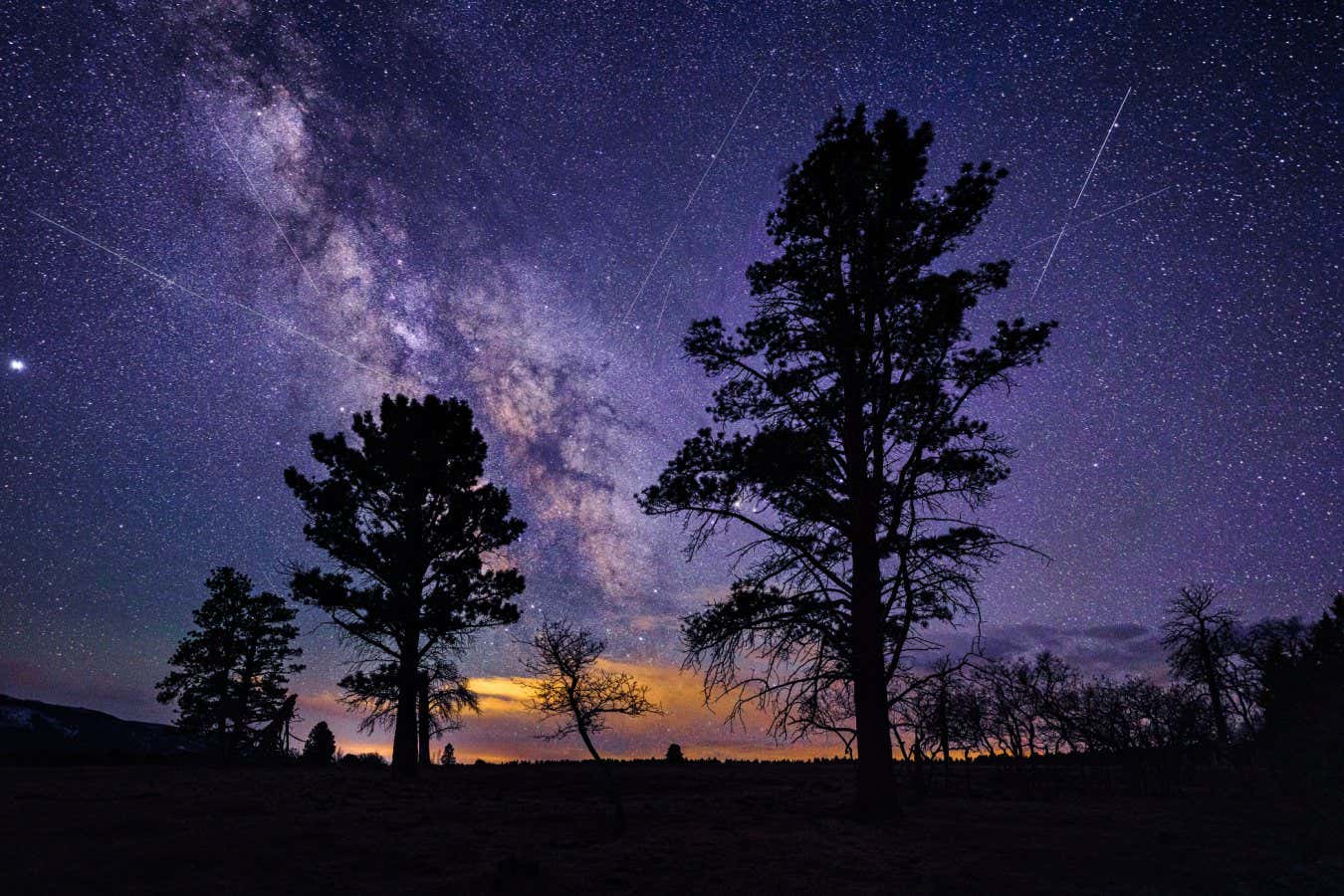
The Lyrid meteor shower will soon hit its peak. Here's how to spot it, including by using the New Scientist stargazing companion
Source
New Scientist
Opens original article in a new tab
AI Bias Analysis
4 models · Takes ~15 seconds

The Lyrid meteor shower will soon hit its peak. Here's how to spot it, including by using the New Scientist stargazing companion
Source
New Scientist
Opens original article in a new tab
The ozone layer has been on track to recover thanks to the Montreal Protocol—but a loophole may be holding it back. Chemicals still permitted for industrial use are leaking into the atmosphere at higher rates than expected. Scientists now estimate this could delay ozone recovery by up to seven years. Closing this gap could speed up healing and reduce harmful UV exposure worldwide.

Research has shed important new light on the enemies-turned-allies that allow bacteria to exchange genes, including those linked to antimicrobial resistance (AMR). The insights, which expand our understanding of the major global health threat of AMR, came as John Innes Center researchers investigated the curious phenomena of gene transfer agents (GTAs).

Researchers at University College Dublin have discovered a previously unknown "courier system" that cells use to deliver coherent biological messages between each other, opening new possibilities for medicine and biotechnology. These courier systems also possess "keys" to natural (endogenous) gateways, allowing them to reach biological locations that are currently inaccessible in conventional delivery medicine.