
Monkeys walk around a virtual world using only their thoughts
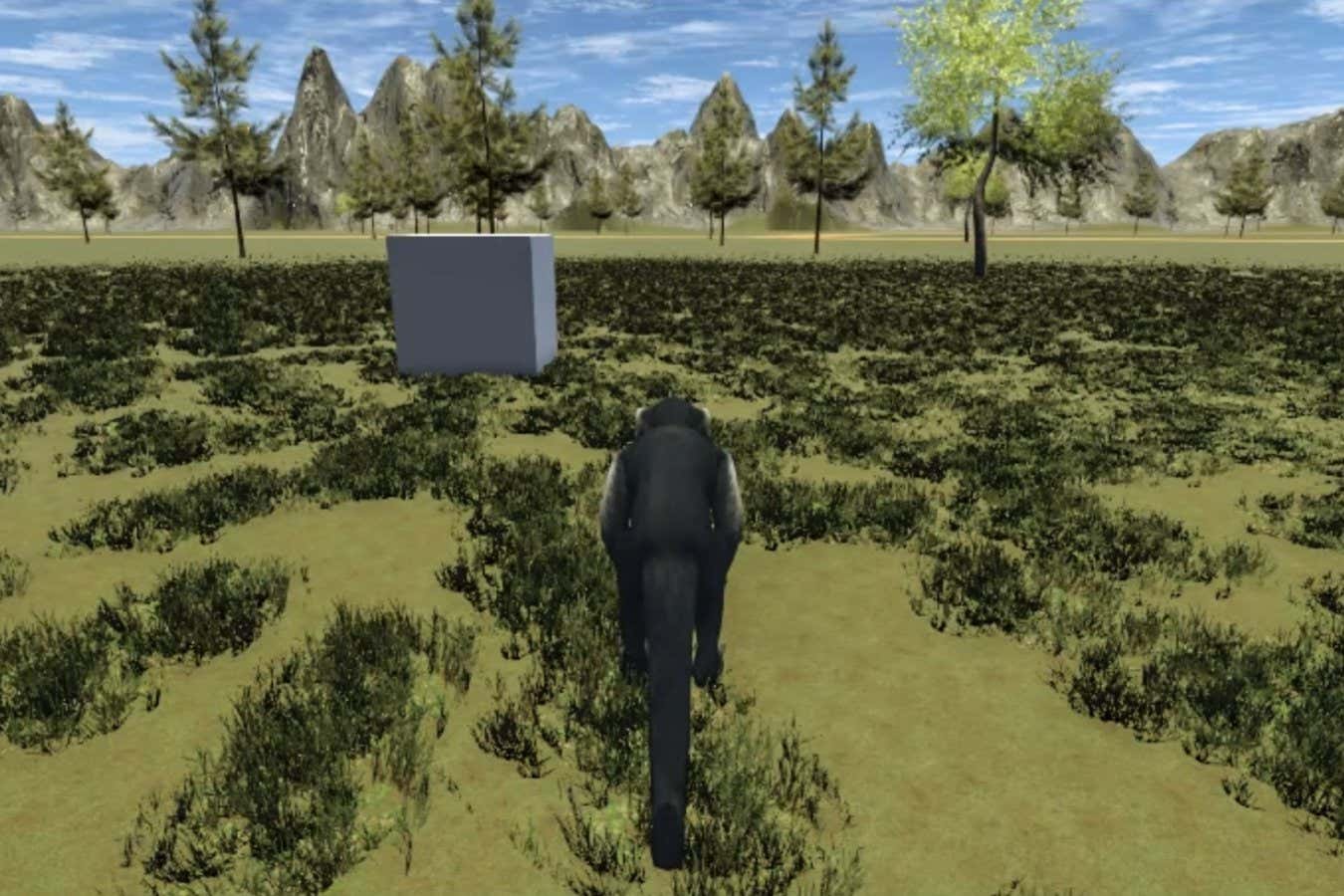
Monkeys with around 300 electrodes implanted in their brain were able to steer avatars around different virtual environments
Source
New Scientist
Opens original article in a new tab
AI Bias Analysis
4 models · Takes ~15 seconds

Monkeys with around 300 electrodes implanted in their brain were able to steer avatars around different virtual environments
Source
New Scientist
Opens original article in a new tab

How do organic solar cells work on the inside? The answer lies in structures far too small to see—and difficult to access even with advanced techniques. So far, researchers have relied mainly on X-ray methods to understand how molecules are arranged within these materials and how this order can be optimized for high efficiency. While powerful, X-rays provide only a spatially averaged picture. Electrons, in contrast, offer a local view at the nanoscale, revealing both structure and chemical compo

Unfortunately for science fiction fans, desert worlds outside our solar system are unlikely to host life, according to new research from the University of Washington. Scientists show that an Earth-sized planet needs at least 20 to 50% of the water in Earth's oceans to maintain a critical natural cycle that keeps water on the surface.

In efforts to better understand how plant photosynthesis is regulated, scientists are studying how Rubisco activity responds to light. In a new meta-analysis study, a team from the Realizing Increased Photosynthetic Efficiency (RIPE) project at Lancaster University have identified a potential link between photosynthetic pathway type and rates of dark inhibition. The findings are published in the Journal of Experimental Botany.

Afforestation—establishing forests on previously non-forested land, or where forests have not existed for a long time—is one of the nature-based and cost-effective solutions for climate change mitigation because it offsets carbon emissions through carbon storage and can help reduce the effects of flooding. The European Union's Biodiversity Strategy for 2030 targets converting at least 10% of agricultural land into forest.