
The looming El Niño could be bad – but much worse is to come
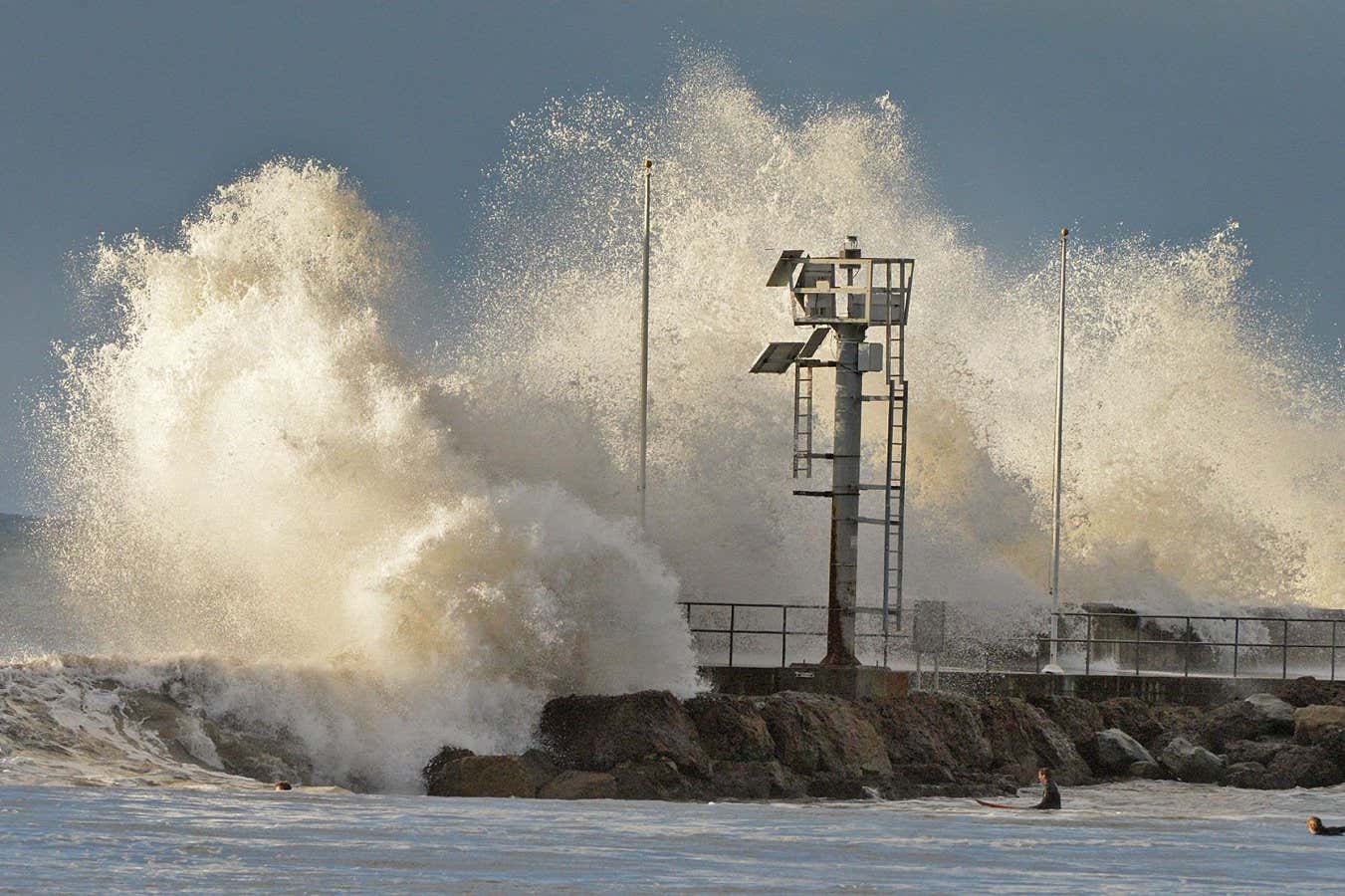
Global warming will amplify the impacts of El Niño events, and could also make them much stronger and more far-reaching
Source
New Scientist
Opens original article in a new tab
AI Bias Analysis
4 models · Takes ~15 seconds

Global warming will amplify the impacts of El Niño events, and could also make them much stronger and more far-reaching
Source
New Scientist
Opens original article in a new tab

The strength of gravity is different on every body in the solar system. Whether it's the crushing weight of Jupiter or the minuscule pull of a small asteroid, this fundamental force of physics still has a major impact on the material those bodies are made up of. A new paper from researchers at the University of Duisburg-Essen and the German Aerospace Center (DLR) showcases just how different it can be by letting planetary simulants freefall inside a giant drop tower and measuring how "fluffy" th

A species of moth that was first described in 1818 was believed to be a single species. However, it has since been discovered that it is actually a complex of species, eight of which are found in Brazil. These findings are the result of a study that integrated molecular techniques, morphological data, and the identification of host plants from populations in the Amazon, Atlantic Forest, and Pantanal regions.

A truce of sorts has quelled the return-to-office wars that have raged in the post-pandemic workplace.

Depression, anxiety and sleep disorders are among the conditions often treated with antidepressant drugs. Yet, up to 90% of these drugs pass through the body into wastewater. They're also difficult to remove during water treatment, presenting a possible risk of environmental contamination and threats to ecological and human health. Now, researchers reporting in Environmental Science & Technology have found some antidepressant drugs at levels that could be harmful to aquatic wildlife in North Car