
Tiny frozen world unexpectedly appears to have an atmosphere
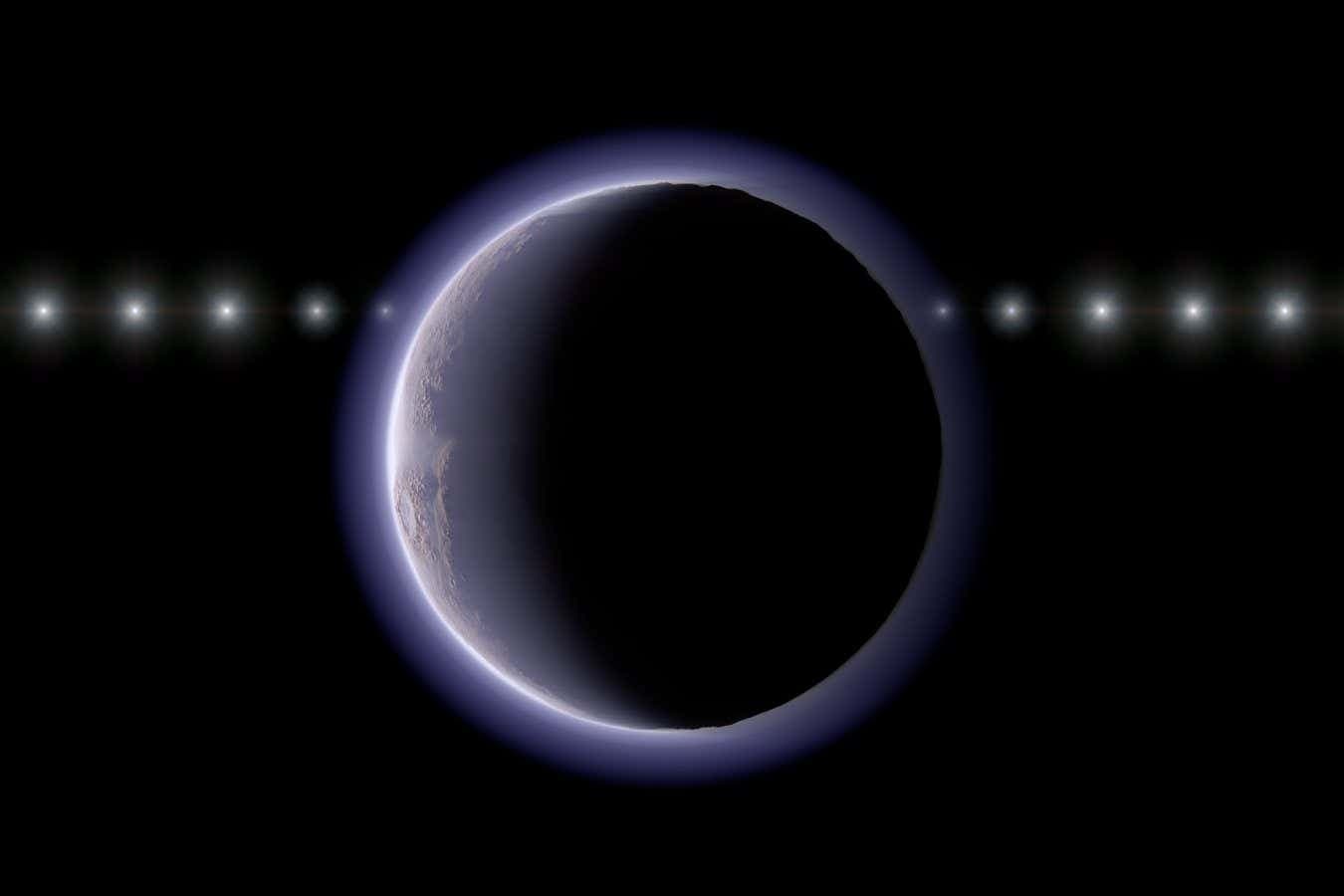
A 500-kilometre-wide object in a similar orbit to Pluto challenges our assumptions about small bodies in the outer solar system
Source
New Scientist
Opens original article in a new tab
AI Bias Analysis
4 models · Takes ~15 seconds

A 500-kilometre-wide object in a similar orbit to Pluto challenges our assumptions about small bodies in the outer solar system
Source
New Scientist
Opens original article in a new tab

Io is a world of extremes. It is by far the most volcanically active world in our solar system. Being continually squeezed in the never-ending tug-of-war between Jupiter and its larger satellites will do that to a moon. As a result, Io has over 400 "paterae"—volcanic depressions that spew lava up onto its surface. And, according to a new paper available in pre-print on arXiv and utilizing data from Juno's Jupiter InfraRed Auroral Mapper (JIRAM) tool, we have been massively underestimating the po

If you're registered to vote in the United States and you're not among the richest of the rich, political scientist Peter K. Enns has a message for you: Your voice still matters. So does data analysis methodology.

Urbanization, climate change, and fire suppression practices are contributing to increased wildfire risk at the densely populated wildland-urban interface. These factors make fires more unpredictable and harder to manage. In January 2025, this was made devastatingly clear in Los Angeles, when massive wildfires engulfed entire hillsides and canyons, destroying neighborhoods and damaging surrounding ecosystems.

A new autonomous laboratory recently navigated through billions of potential material synthesis recipes to identify brighter, lead-free light-emitting nanomaterials in just 12 hours. The work could accelerate development of safer light-emitting nanoplatelets for use in applications ranging from photodetectors to the production of fuel from solar energy. A paper describing this work appears in Nature Communications.