
AI Bias Analysis

4 models · Takes ~15 seconds

New Scientist

Ötzi's frozen remains may harbour metabolically active microbes
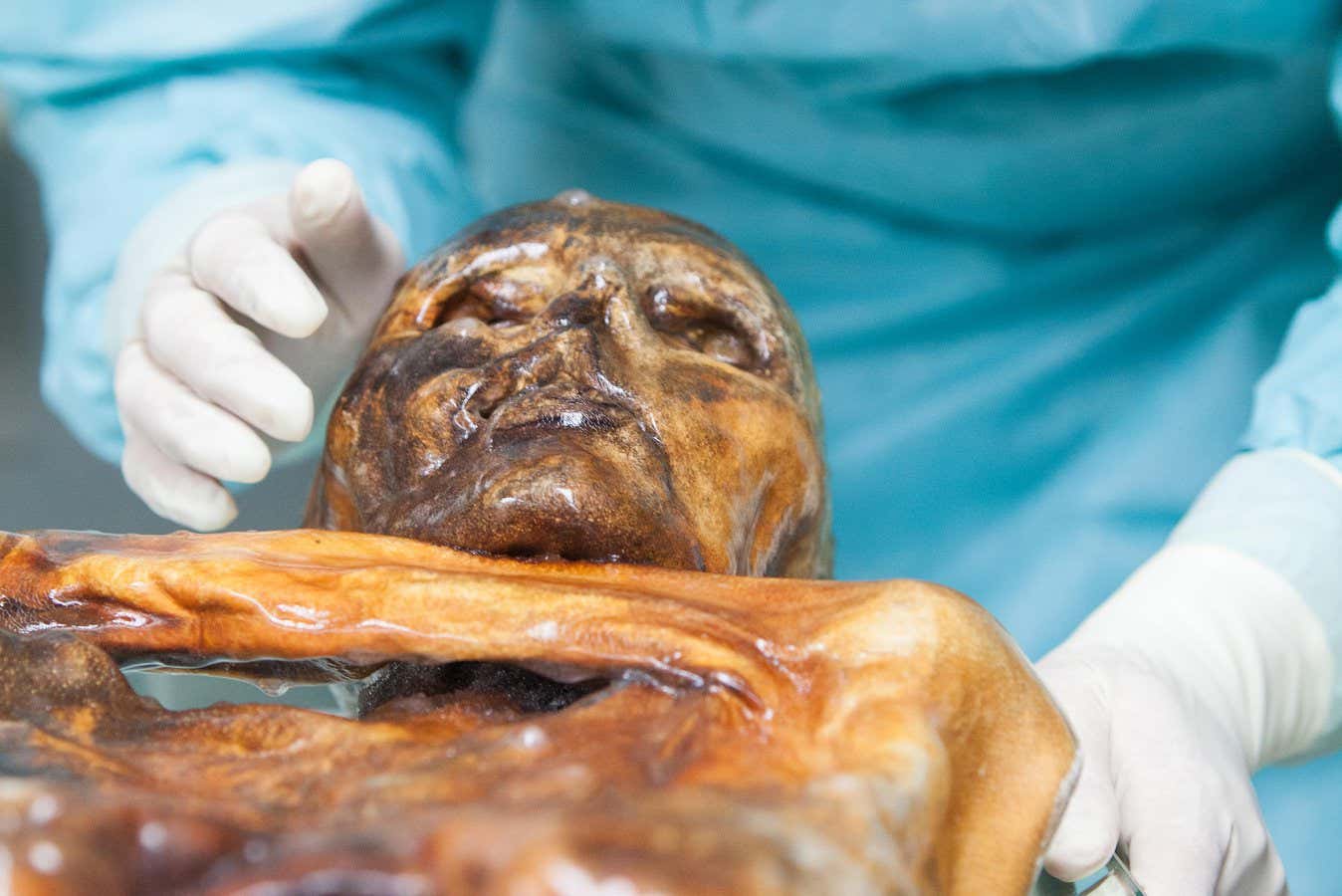
Ötzi's frozen remains may harbour metabolically active microbes
ShareXFacebook

Researchers studying a 5300-year-old mummified man have identified bacteria that lived in his gut when he was alive, as well as cold-tolerant fungi that colonised his body after death

N

Source

New Scientist

Read full article at New Scientist

Opens original article in a new tab

Advertisement

Related Science Stories

Locked-in food system slows Europe's green shift, article warns
Phys.org

Locked-in food system slows Europe's green shift, article warns

Europe's agrifood system is under severe pressure. Climate change is causing droughts and floods, and agriculture is putting pressure on nature, the climate and the environment. Diet-related lifestyle diseases are placing a growing burden on health care systems. At the same time, agriculture is expected to deliver affordable food, climate action, biodiversity and food security all at once while maintaining competitiveness in a global market.

Read more →
How heavy can a neutron star get?
Phys.org

How heavy can a neutron star get?

The physics of neutron stars are almost too fantastic to believe: something the weight of two suns compacted to a sphere the size of a city. Each teaspoon of its material would weigh billions of tons. If you've done any reading on the topic, you've heard these facts before. But despite the intense interest these extreme objects hold, we are still actively learning lots about them.

Read more →
Terahertz imaging maps spatial chirality in materials with 100-micrometer resolution
Phys.org

Terahertz imaging maps spatial chirality in materials with 100-micrometer resolution

In nature, there exist structures that are mirror images of each other but cannot be perfectly superimposed. These are known as chiral objects, derived from the Greek word for "hand," since left and right hands share the same relationship. Although similar in structure, chiral molecules exhibit different behaviors, and chirality is central to life itself. DNA has a twisted chiral structure, and living organisms prefer one handedness over the other. This distinction is equally important in drug d

Read more →
Advertisement