
AI Bias Analysis

4 models · Takes ~15 seconds

New Scientist

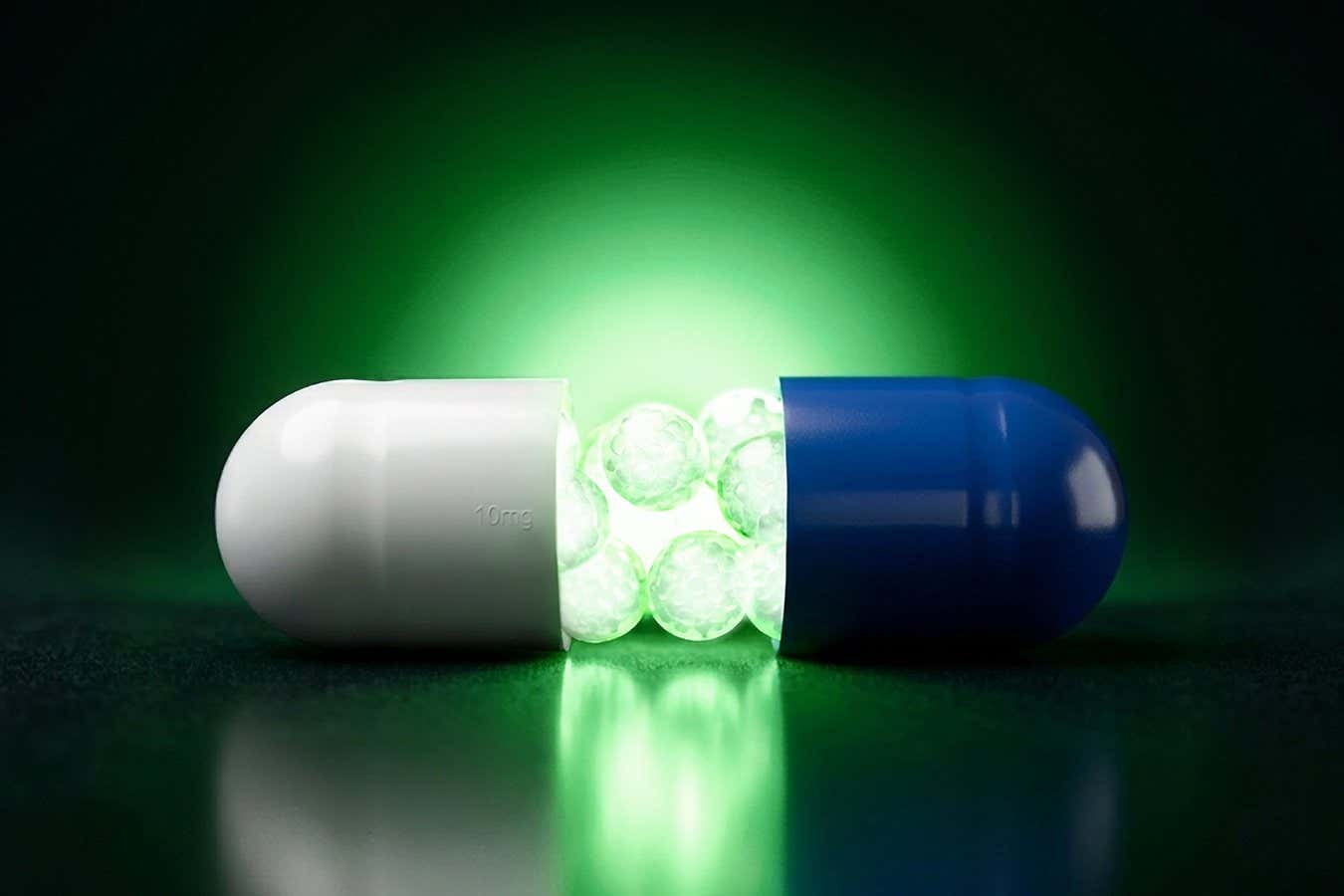
We need more radioactive drugs. Can we make them from nuclear waste?
We need more radioactive drugs. Can we make them from nuclear waste?
ShareXFacebook

The rise of a new generation of radiotherapies means we will soon need much greater quantities of radioactive atoms. That's why companies are scrambling to refine them from all manner of radioactive waste

N

Source

New Scientist

Read full article at New Scientist

Opens original article in a new tab

Advertisement

Related Science Stories

Classical physics can explain quantum weirdness, study shows
Phys.org

Classical physics can explain quantum weirdness, study shows

When you throw a ball in the air, the equations of classical physics will tell you exactly what path the ball will take as it falls, and when and where it will land. But if you were to squeeze that same ball down to the size of an atom or smaller, it would behave in ways beyond anything that classical physics can predict.

Read more →
Light-powered propulsion expands space exploration possibilities
Phys.org

Light-powered propulsion expands space exploration possibilities

Reaching the nearest star system, Alpha Centauri, would take hundreds of thousands of years using current rocket propulsion technology. Researchers in the J. Mike Walker '66 Department of Mechanical Engineering at Texas A&M University have demonstrated a new approach to light-driven motion, showing that lasers can be used to lift and steer objects in multiple directions without physical contact. This breakthrough may one day enable travel to Alpha Centauri within roughly 20 years.

Read more →
Microbes contribute a surprisingly large array of proteins in fermented foods
Phys.org

Microbes contribute a surprisingly large array of proteins in fermented foods

A new North Carolina State University study examining the proteins found in fermented foods like yogurt, cheese and bread found that a surprisingly large number, and percentage, of microbial proteins contribute to their overall protein content. These microbes have long been used in traditional fermentation processes and are widely associated with the beneficial or probiotic nature of these fermented foods.

Read more →
Advertisement