
New Scientist
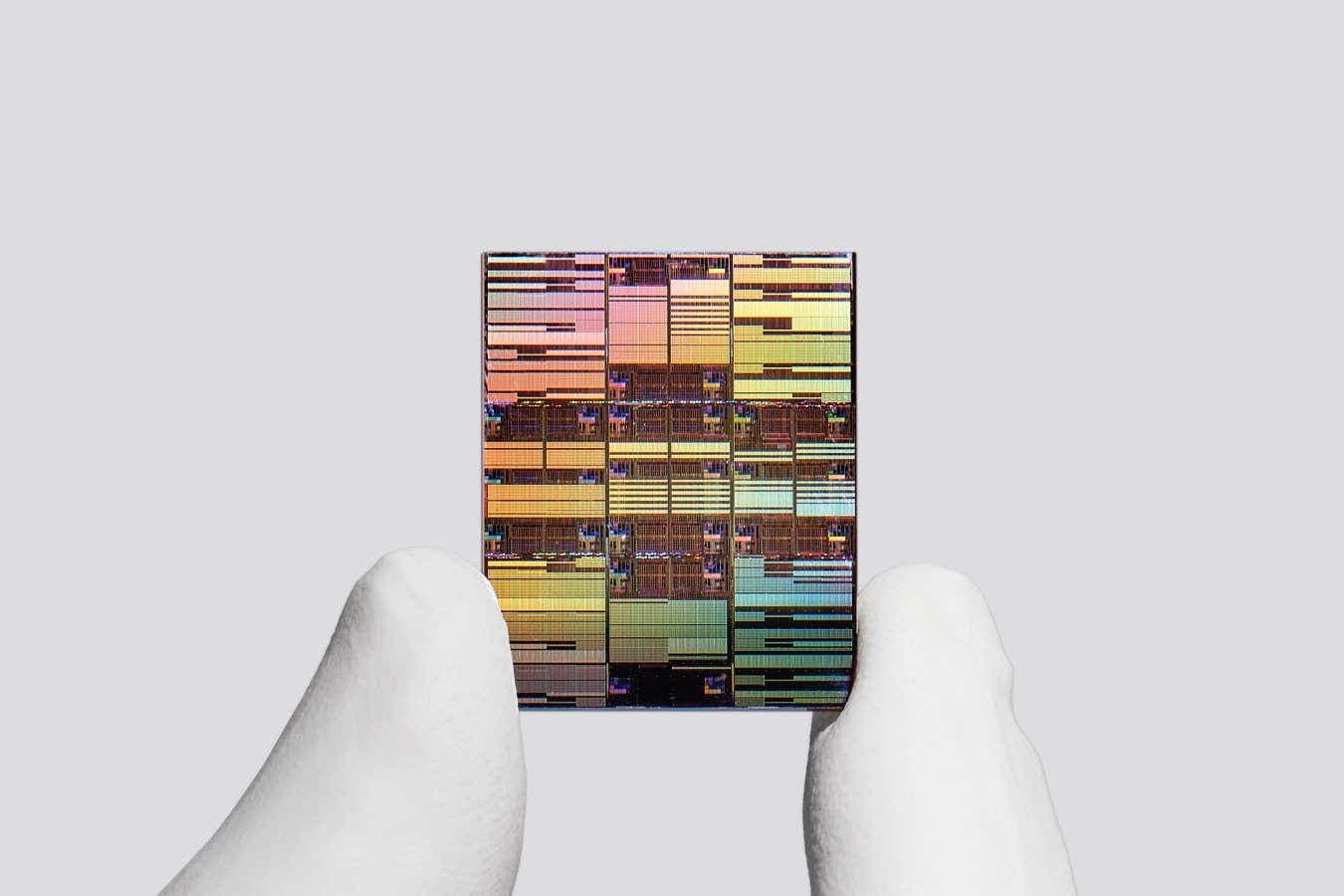
Record-breaking IBM chip uses trick to cram in 100 billion transistors
IBM's latest chip packs in twice as many transistors as the current state-of-the-art chip by adding a second layer of silicon circuitry
AI-powered media bias analysis by Daily Composite
Based on analysis of recent New Scientist articles using Claude, GPT-4o, Gemini, and Grok. Scores reflect framing and presentation, not factual accuracy.
Learn about our methodology →According to Daily Composite AI analysis of recent New Scientist articles, the outlet scores pending — placing it in the Unrated category.
This rating is generated by four independent AI models (Claude, GPT-4o, Gemini, and Grok) analyzing word choice, framing, sources cited, and emotional language in recent articles. The consensus score reduces single-model bias.
IBM's latest chip packs in twice as many transistors as the current state-of-the-art chip by adding a second layer of silicon circuitry
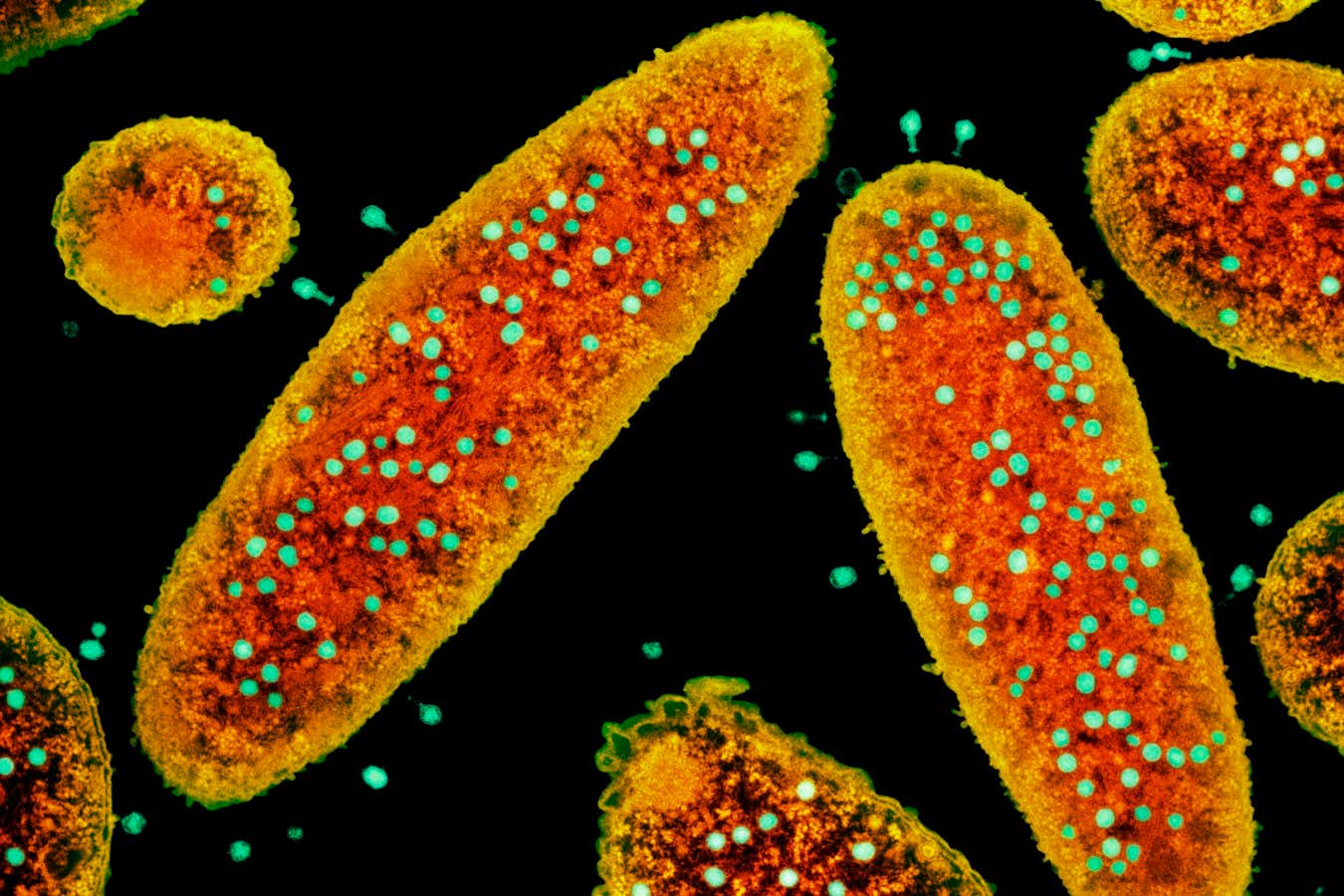
Phages, viruses that infect bacteria, could be genetically manipulated to destroy cancerous cells using the immunity we have acquired from vaccines
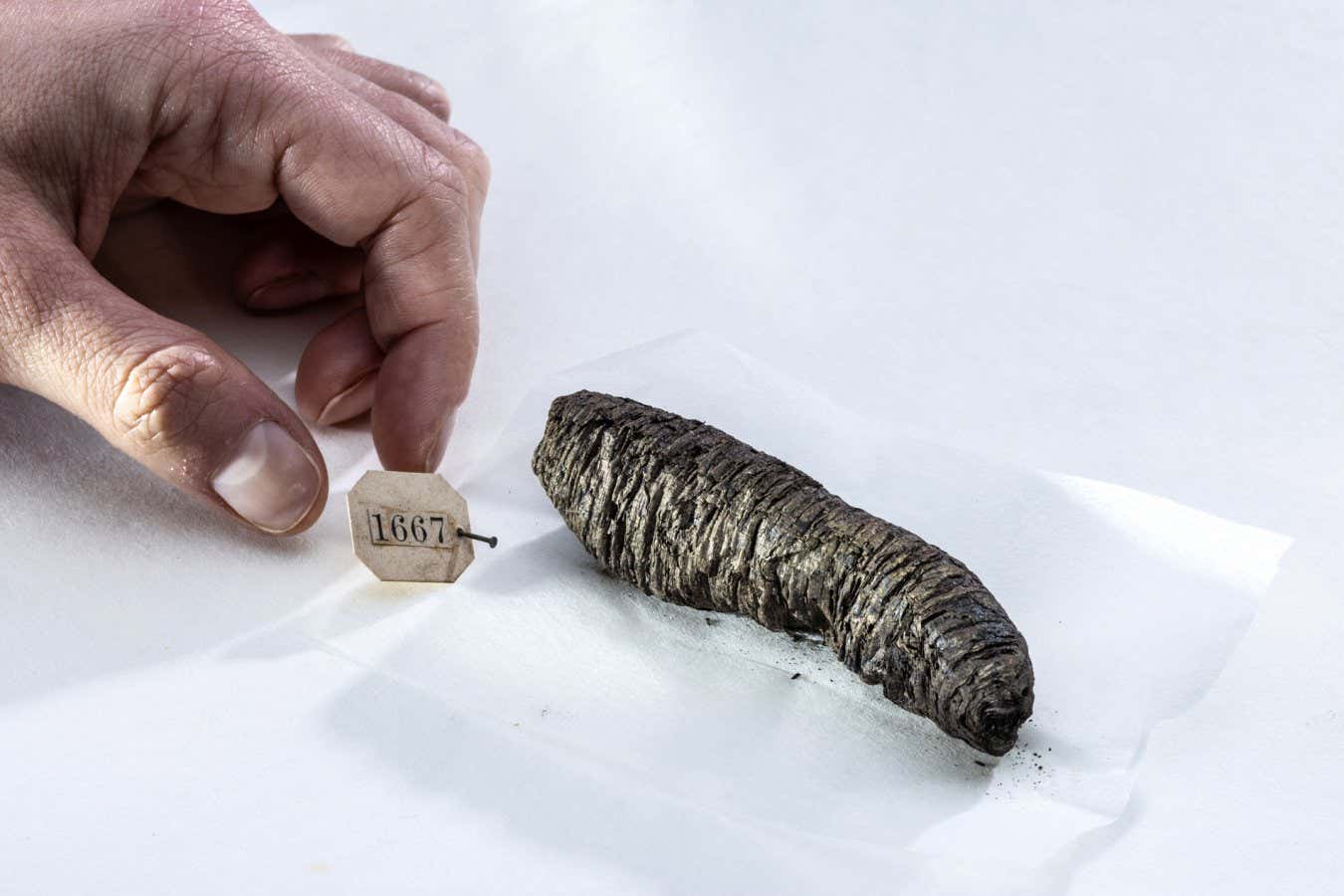
Scrolls from the Roman library of Herculaneum that were carbonised by a volcanic eruption have been read in their entirety for the first time, thanks to scans and AI software
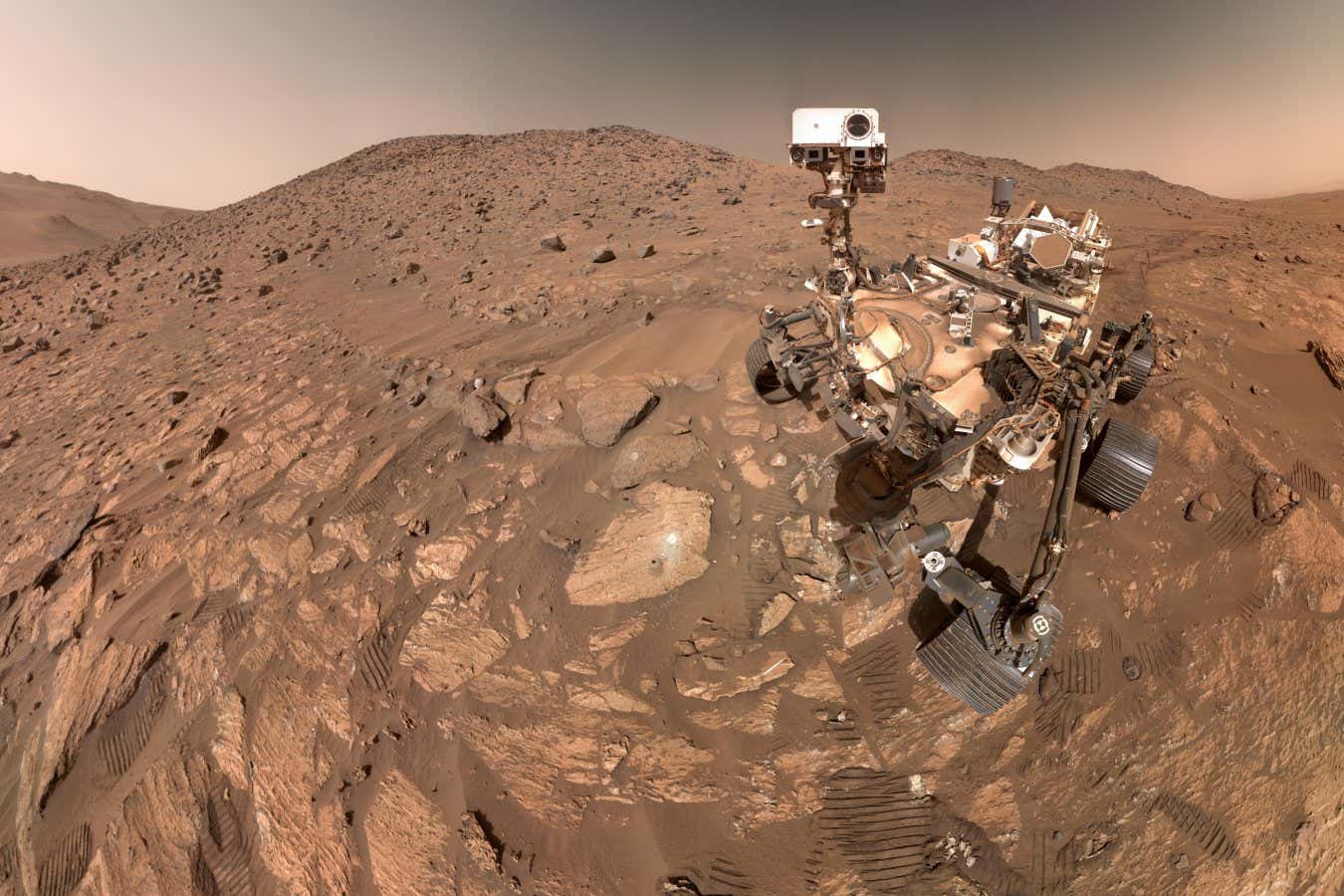
An instrument on the Perseverance rover has identified large, complex carbon compounds alongside unusual patterns on the surface of rocks that resemble traces of microbial activity
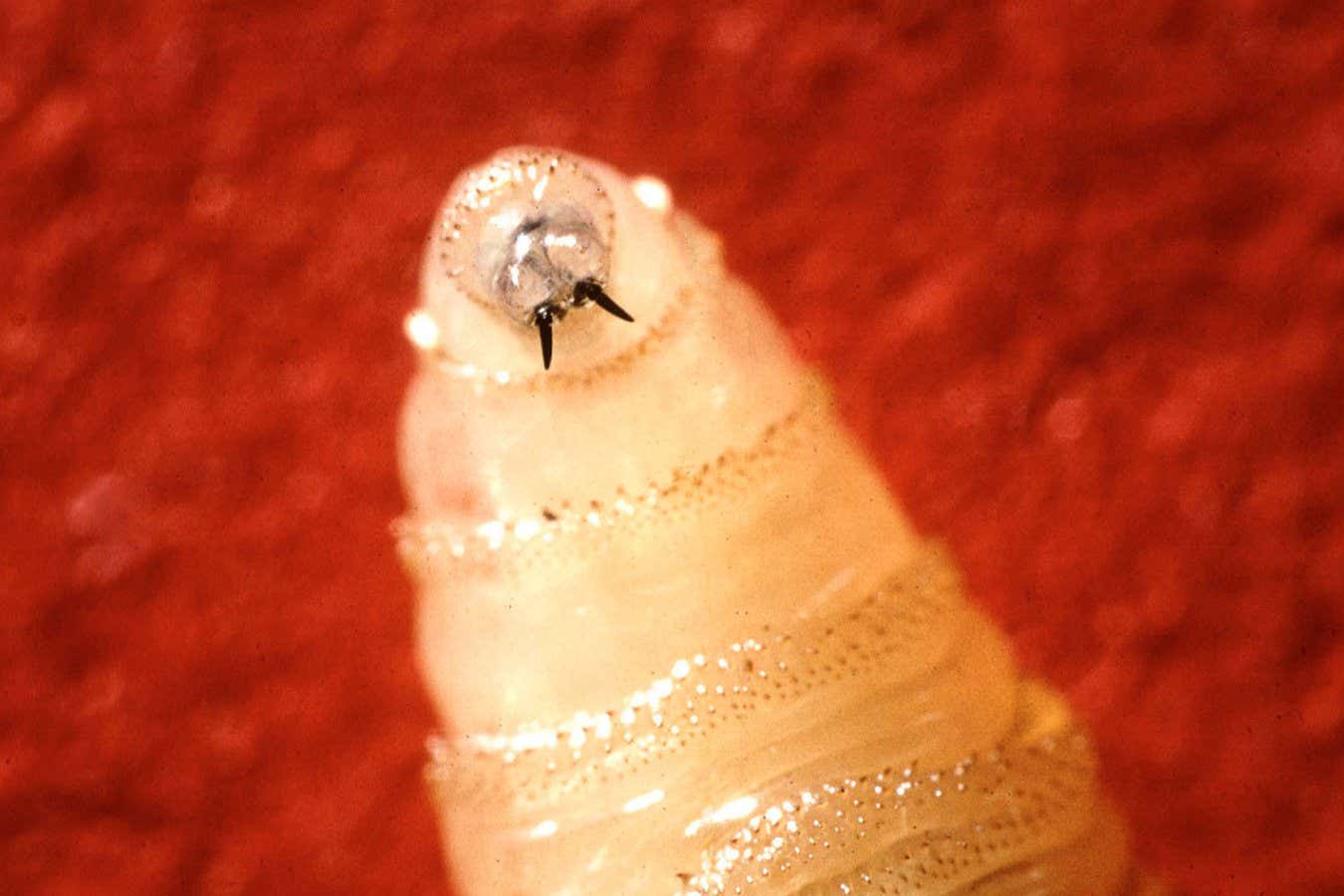
We have developed genetic technologies that could wipe out entire species of pests that are harmful to us. Columnist Michael Le Page says the flesh-eating screwworm is the most likely first target
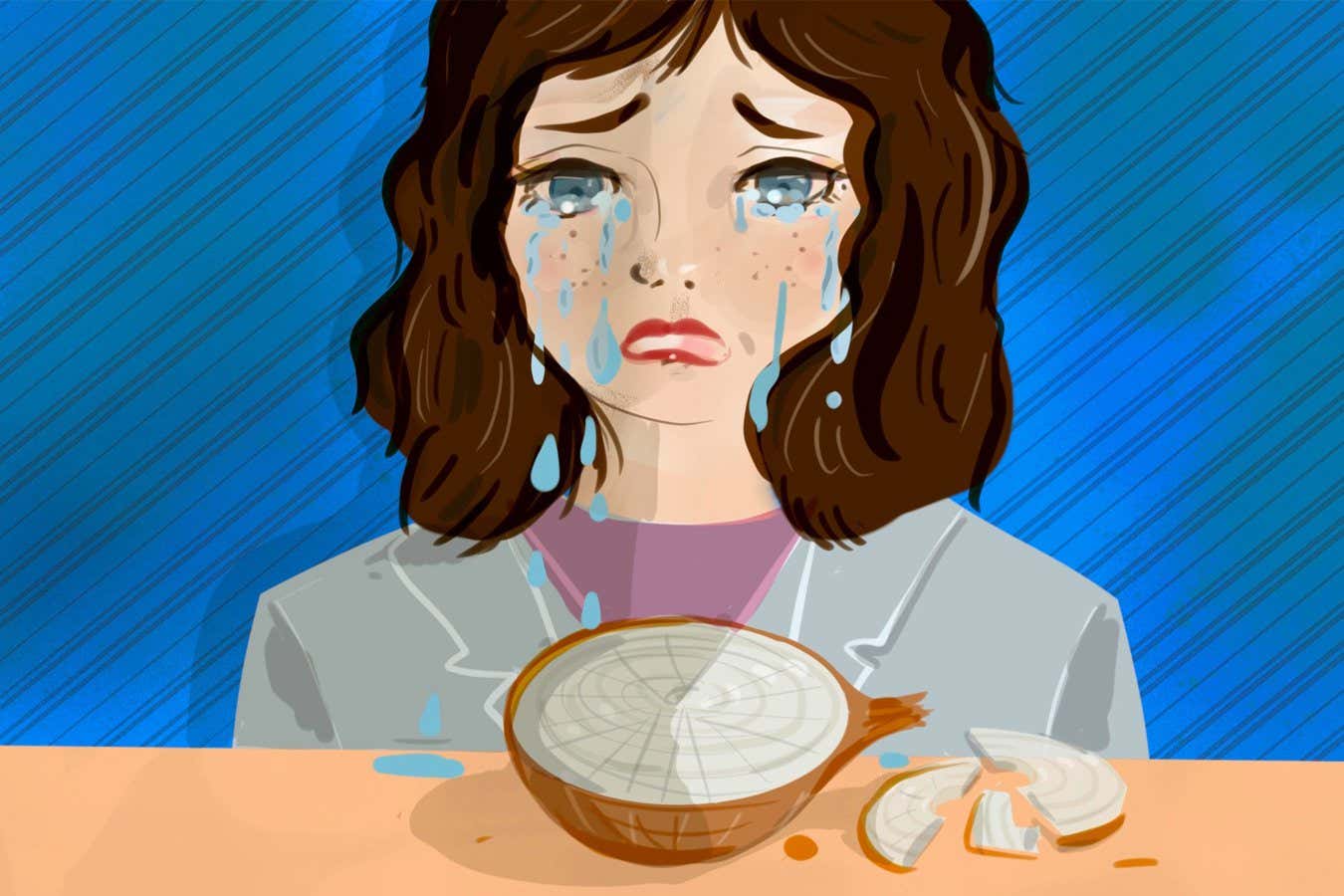
Feedback isn't sure what to make of a ground-breaking piece of research into the understudied topic of "subjective individual variability in onion tearing and its relationship to chemosensory sensitivity"

The first six months of the year have brought us popular science reads on everything from consciousness to cosmology. Liz Else rounds up her favourites
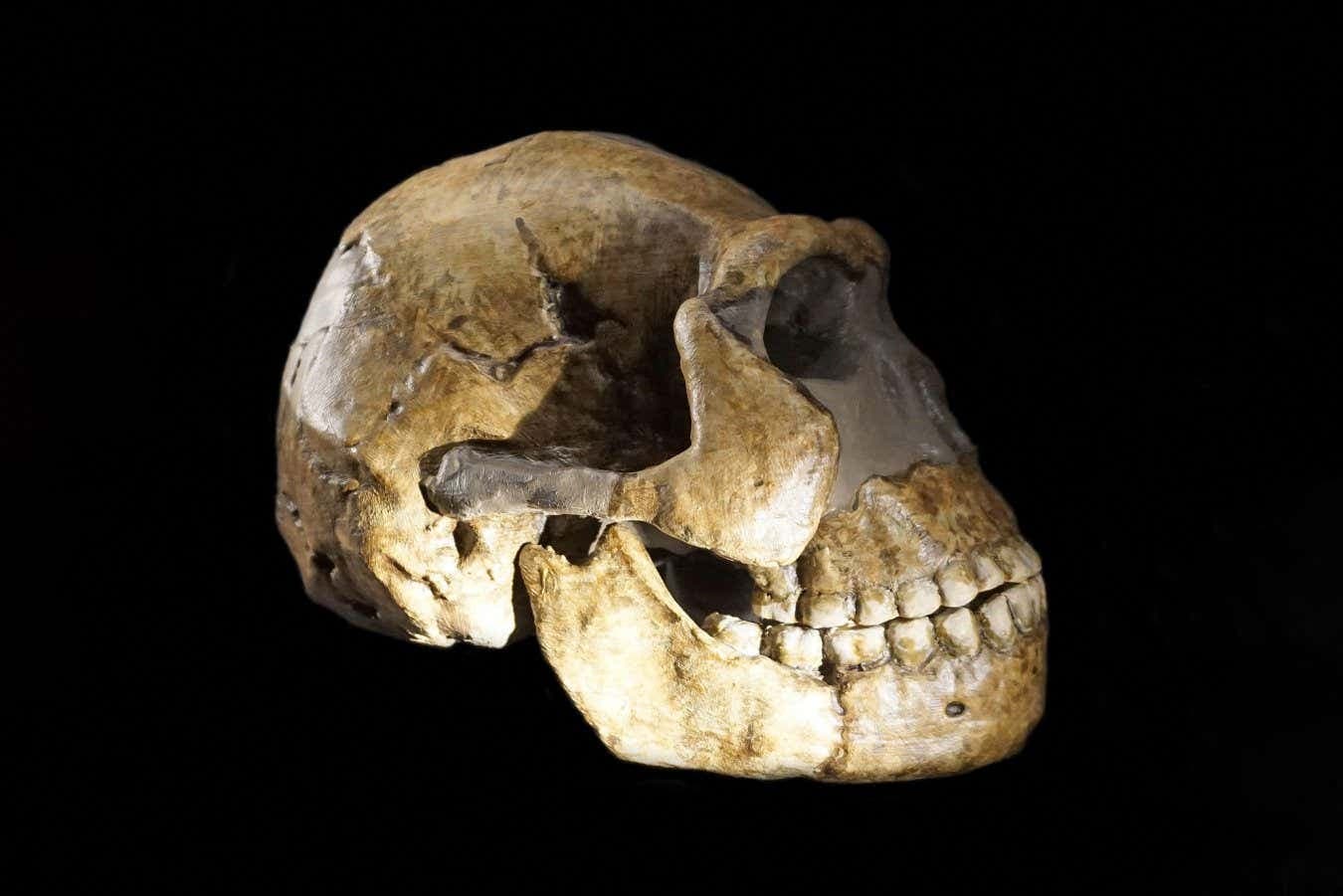
An analysis of tooth proteins suggests all 23 Homo naledi individuals found in the Rising Star cave in South Africa were female, which strengthens the case that they were placed there deliberately
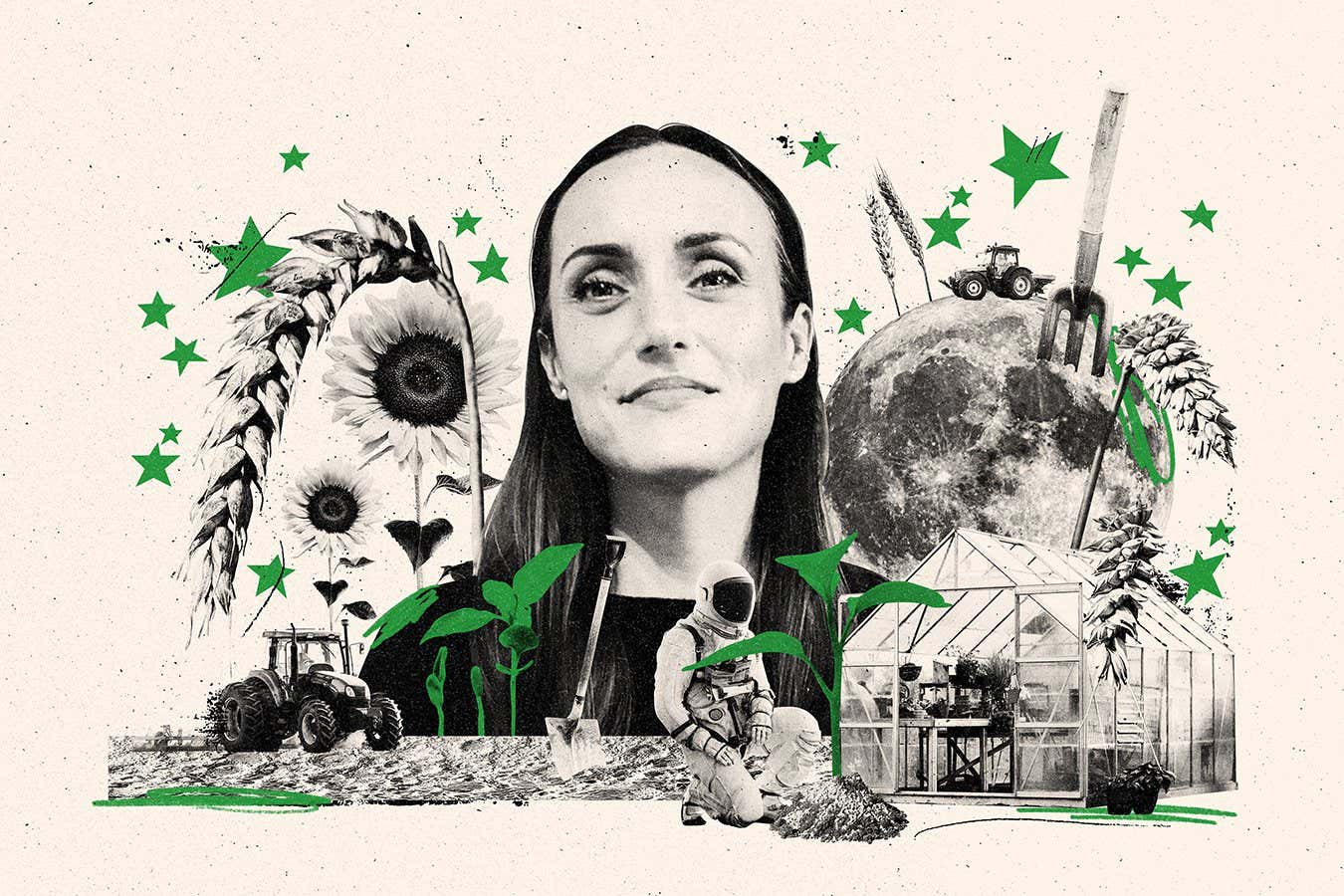
Jessica Atkin knows more than anyone else about what it would take to supply food for a moon base. She reveals how to build a lunar farm and what astronauts can expect to dine on

Genetic analysis of Neanderthals in north-western Europe reveals that this population was surprisingly genetically diverse, hinting that inbreeding didn’t lead to the species' demise

Oestrogen levels fluctuate throughout a woman's menstrual cycle, which may impact how efficiently a drug that targets the brain can reach its destination
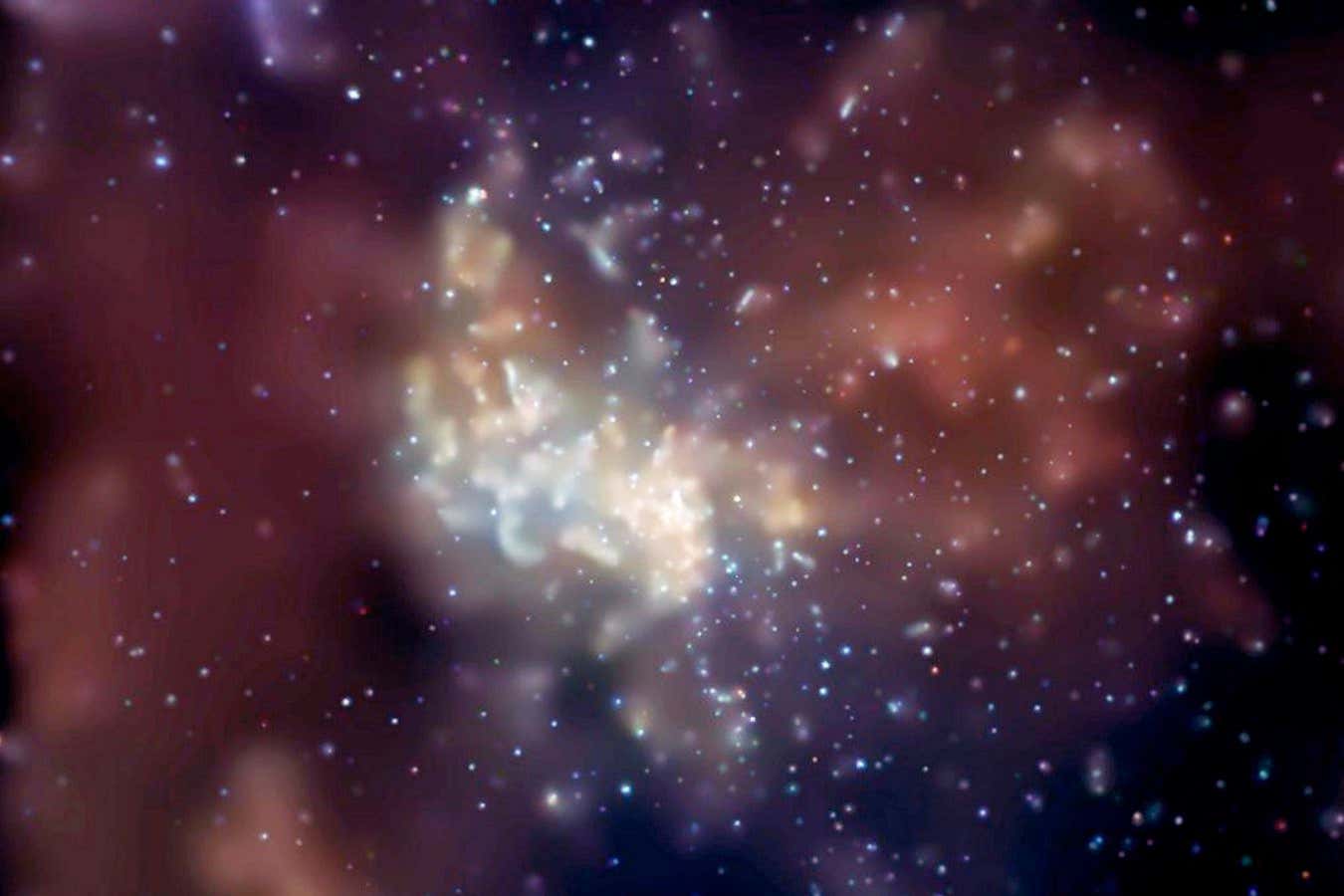
The area surrounding our galaxy’s central supermassive black hole contains three strangely different populations of stars – but one hidden black hole could explain all of them