
The Jury Finally Said What Every Concert Fan Already Knew
A federal jury declared Live Nation and Ticketmaster an illegal monopoly. The only surprise is how long it took.
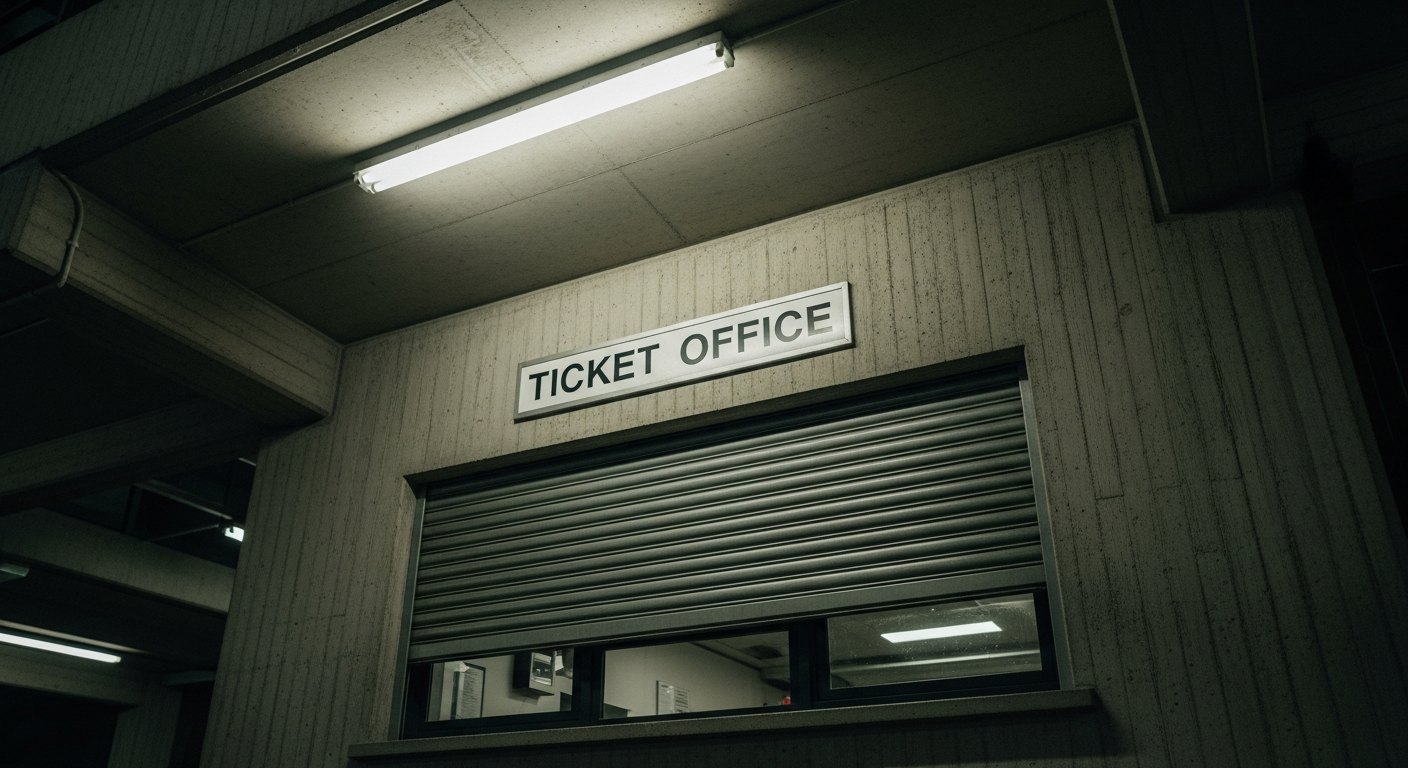
You've seen the fee. Everyone has.
You put a $45 concert ticket in your cart. By the time you hit checkout, you owe $73. There's a service fee, a facility charge, an order processing fee, and a line item labeled "other" that Ticketmaster has never felt the need to explain. Last Wednesday, a federal jury in Manhattan finally put a name to all of it: monopoly.
After five weeks of trial and four days of deliberation, the jury found that Live Nation and its subsidiary Ticketmaster illegally maintained monopoly power in the U.S. ticketing market, overcharging fans and blocking competition at every turn. Thirty-four states and the District of Columbia brought the case. The jury sided with them.
Fifteen years of regulatory failure built this machine. The verdict calls that out too.
How One Company Took Over Live Music
The story starts in 2010, when the federal government approved the Live Nation-Ticketmaster merger under a consent decree designed to prevent exactly this outcome. Critics warned it was a bad idea. Regulators waved it through.
What followed was a company that now controls an estimated 86% of the concert market and 73% of the overall live events market (including sports). Live Nation owns or operates hundreds of venues. Ticketmaster runs primary ticketing for most of them. Its Front Line division manages artists.
That means one corporate entity can sign a performer, book the tour, own the venue, and sell every ticket - then clip fees at every step.
Attorneys for the plaintiff states called it a "monopolistic bully" that kept "digging the moat around the monopoly castle." The jury agreed.
This Wasn't a Surprise to Anyone Who Was Paying Attention
The complaints from fans, artists, and small venues have been loud for decades. Pearl Jam filed an anti-monopoly complaint against Ticketmaster in the 1990s. The Justice Department didn't act. The Taylor Swift Eras Tour disaster in 2022 - when the site collapsed under presale demand, locking out millions while scalpers cleaned up - brought the issue to a new generation of consumers. Swift called it "excruciating." Congress held hearings. Nothing changed.
What changed this time was the states staying in the fight.
The Settlement That Wasn't Enough
One week into trial, the Trump administration settled its portion of the case with Live Nation. The deal capped some service fees at select venues, imposed a $280 million fine, and made a few structural adjustments. The administration declared victory and left the courtroom.
The states refused to accept that settlement as adequate. They were right.
The jury's verdict validated their judgment. Live Nation now faces a remedies phase in which the court determines what structural changes must follow. The option that ticketing advocates and lawmakers have pushed for since the Biden DOJ filed suit in 2024 is back on the table: forcing Live Nation to divest Ticketmaster entirely.
What the Verdict Does - and Doesn't - Do
Here's the honest part. Ticket prices won't drop next week.
The verdict establishes liability. The remedies phase comes next, and Live Nation has already signaled it will appeal. Its post-verdict statement: "The jury's verdict is not the last word on this matter." Technically true. Appeals take time.
The jury also found that Ticketmaster overcharged concertgoers by $1.72 per ticket at major venues as a direct result of its anticompetitive conduct. That figure sounds small. Multiplied across hundreds of millions of tickets sold over years of unchecked dominance, it is not small. Additional damages are still to be determined by Judge Arun Subramanian.
What the verdict actually accomplishes is harder to quantify, and more important. A lawyer for the plaintiff states called it an "earthquake in terms of people's perception." Consumers have been calling this a monopoly for years. A jury just put it on the legal record. Those are different things.
A Broken Market Needs a Real Fix
Senator Amy Klobuchar, who has pressed for antitrust action against Live Nation for years, called the verdict "a major step toward restoring competition and accountability in live events" - while warning that any remedy must go further than the deal the Trump administration accepted.
She's right.
The live music industry needs competition to function. When one company controls the promoters, the venues, and the ticketing, artists have nowhere else to go. Venues that try to switch ticket sellers risk losing access to the biggest tours. Fans pay whatever the system charges because the system offers no real alternative. That's what a monopoly looks like in practice, and a jury has now confirmed it on the record.
The judge in this case has real power in the remedies phase. A breakup of Live Nation and Ticketmaster wouldn't be unprecedented in American antitrust history. Standard Oil was broken up. AT&T was broken up. The logic for separating the promoter from the ticket seller is simple: the conflict of interest at the core of this monopoly disappears when the two businesses are no longer the same business.
Live Nation will fight every step of what comes next. That's its right. But the jury has spoken. The record is set. The era of the company arguing that its dominance just reflects having the best product is over.
Thirty-four state attorneys general, years of litigation, and twelve jurors have produced a different answer.
The question now is whether the court will deliver a remedy that matches the verdict.
Frequently Asked Questions
Did a jury find Ticketmaster guilty of being a monopoly?
Yes. A federal jury in Manhattan found that Live Nation and its subsidiary Ticketmaster illegally maintained monopoly power in the U.S. concert ticketing market. The verdict followed a case brought by 34 states and the District of Columbia.
Will concert ticket prices go down after the Ticketmaster verdict?
Not immediately. The verdict establishes liability. A separate remedies phase will determine what structural changes Live Nation must make. Live Nation has also indicated it will appeal, which could delay any impact on pricing.
What remedy could the court impose on Live Nation?
Among the options before the court is a forced divestiture - requiring Live Nation to sell Ticketmaster and operate the two businesses separately. This is the remedy antitrust advocates and Democratic lawmakers have pushed for since the Biden DOJ originally filed suit in 2024.
How much did Ticketmaster overcharge fans?
The jury found Ticketmaster overcharged concertgoers by $1.72 per ticket at major venues due to anticompetitive conduct. Additional damages are still being determined by Judge Arun Subramanian.
What share of the live music market does Live Nation control?
Live Nation controls approximately 86% of the concert market and 73% of the overall live events market, including sports venues.