What Is the Thucydides Trap? Why Xi Invoked It in Front of Trump
Xi Jinping warned Trump about a 2,400-year-old theory of inevitable war between rising and established powers. Here's what it means, why Xi keeps using it, and how the press covered it differently.
In Beijing on Thursday, Xi Jinping did something worth paying attention to. Sitting across from Donald Trump at a high-stakes bilateral summit, China's leader reached back 2,400 years for a warning.
"Can China and the U.S. cross the so-called 'Thucydides Trap' and forge a new paradigm of great power relations?" Xi said through a translator.
The room knew what he meant. Most of the internet did not.
What Is the Thucydides Trap?
The Thucydides Trap is the idea that war becomes likely when a rising power threatens to displace an established one. The name comes from Thucydides, the ancient Greek historian who wrote about the Peloponnesian War — the decades-long conflict between Athens and Sparta. His diagnosis: "The growth of the power of Athens, and the alarm which this inspired in Lacedaemon [Sparta], made war inevitable."
American political scientist Graham Allison turned that observation into a modern framework, most famously in his 2017 book Destined for War: Can America and China Escape Thucydides's Trap? Allison studied 16 historical cases where a rising power challenged an established one. Twelve of them ended in war.
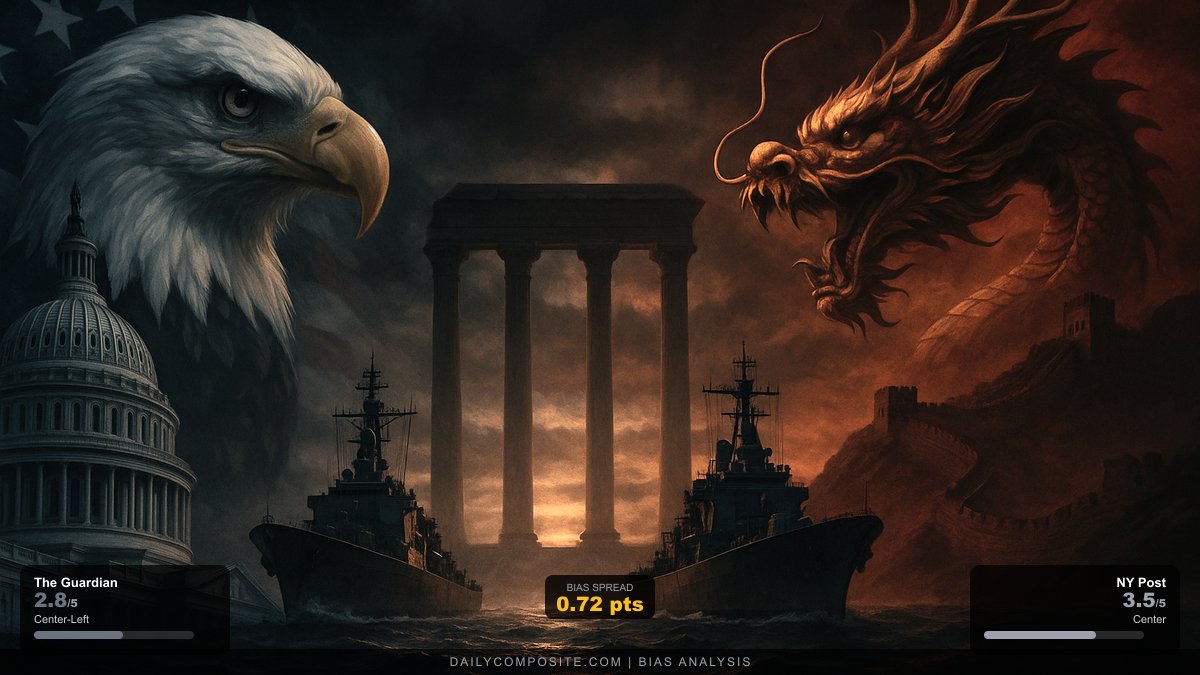
In the US-China version of this story, China is Athens. The United States is Sparta.
Why Xi Keeps Bringing It Up
This wasn't a spontaneous reference. Xi has invoked the Thucydides Trap consistently since 2013, when he told international leaders: "We need to work together to avoid the Thucydides Trap, which is a destructive tension between emerging powers and existing powers."
The pattern is deliberate. Every time Xi uses this framing, he makes two moves at once: signaling that China is aware of the historical danger, and subtly positioning the US as the fearful established power — the Sparta that might lash out.
At the same summit on Thursday, Xi made a harder statement on Taiwan. "If handled poorly, the two countries could collide or even enter into conflict, pushing the entire China-U.S. relationship into an extremely dangerous place," he said, according to Chinese state media.
That's the Thucydides Trap framing in action. Use the philosophical language of cooperation, then immediately identify the tripwire.
How the Media Covered This Differently
The Guardian ran with the gravitas. Their headline framed the summit as a moment where a world leader invoked ancient history to address civilizational stakes. Their bias score: 2.78 out of 5, toward the left-leaning end, with framing that treated Xi's concern as legitimate and the historical warning as credible.
The NY Post went another direction. Their coverage spotlighted Trump's Truth Social response, where he said Xi was "100% correct" that the US had suffered under Biden, then pivoted to a list of Biden-era grievances. Bias score: 3.50 out of 5. The story became about Biden. The Thucydides Trap nearly disappeared.
That 0.72-point spread tells you something about how two outlets covered the same moment. One treated the summit as a geopolitical inflection point. The other treated it as a vehicle for a domestic political argument.
Both things can be true at once. That's the whole point.
What Actually Matters Here
Twelve out of sixteen historical cases ended in war. That's not a rhetorical flourish — it's a data point that should concentrate the mind.
The flashpoints between the US and China right now: Taiwan, AI dominance, rare earth supply chains, trade tariffs, Iran's nuclear status, and the broader question of which country sets the rules for the next 50 years. Xi didn't name all of these at the summit. He didn't have to.
Trump said both countries "settled a lot of problems." Whether that's true depends entirely on what was agreed and what was left vague. The details of this summit — trade concessions, Taiwan assurances, AI governance agreements — will matter more than the warm body language in the photos.
The Thucydides Trap isn't a metaphor. It's a documented pattern. Xi invoked it in the same breath as a Taiwan warning. That deserves more attention than either outlet gave it.
Frequently Asked Questions
What is the Thucydides Trap?
The Thucydides Trap is a theory developed by American political scientist Graham Allison, based on the ancient Greek historian Thucydides, that argues war becomes likely when a rising power challenges an established one. Allison studied 16 historical cases; 12 ended in war. Applied to the modern era, China is the rising power (Athens) and the United States is the established power (Sparta).
Why did Xi Jinping mention the Thucydides Trap to Trump?
Xi invoked the Thucydides Trap at their May 2026 Beijing summit to frame US-China tensions in historical terms, positioning both countries as responsible for avoiding conflict. Xi has used this framing consistently since 2013. It simultaneously signals China's awareness of the historical danger and subtly characterizes the US as the fearful established power most likely to overreact.
Has Xi Jinping used the Thucydides Trap before?
Yes. Xi referenced the Thucydides Trap in 2013, 2015 (at a Seattle speech before Henry Kissinger), and multiple times since. It's a consistent element of Chinese diplomatic language around US relations, not a one-off. The frequency reflects its strategic utility: it positions China as thoughtful about historical patterns while framing the US as the potential aggressor.
How did US media cover the Thucydides Trap reference differently?
Left-leaning outlets like The Guardian (bias score: 2.78/5) treated Xi's invocation as a serious geopolitical warning with historical weight. Right-leaning outlets like the NY Post (bias score: 3.50/5) led with Trump's Truth Social response turning it into a critique of Biden-era decline. The same moment produced two different stories, because the framing priorities were entirely different.
What did Trump and Xi agree to at the May 2026 Beijing summit?
Trump said the two leaders "settled a lot of problems." The specifics — on trade, Taiwan, AI governance, and Iran — will determine whether that claim holds. Bilateral summits between the US and China have a history of producing communiques that both sides interpret differently within 48 hours. The details matter more than the headline.
What is the connection between Taiwan and the Thucydides Trap?
Taiwan is the most likely flashpoint for Thucydides Trap-style escalation between the US and China. Xi warned at the May 2026 summit that if Taiwan is "handled poorly," the two countries could enter conflict. China considers Taiwan a core sovereignty issue; the US maintains strategic ambiguity over Taiwan's defense. That ambiguity is the live wire in any US-China crisis scenario.